Low pressure or high pressure: the two families of misting systems
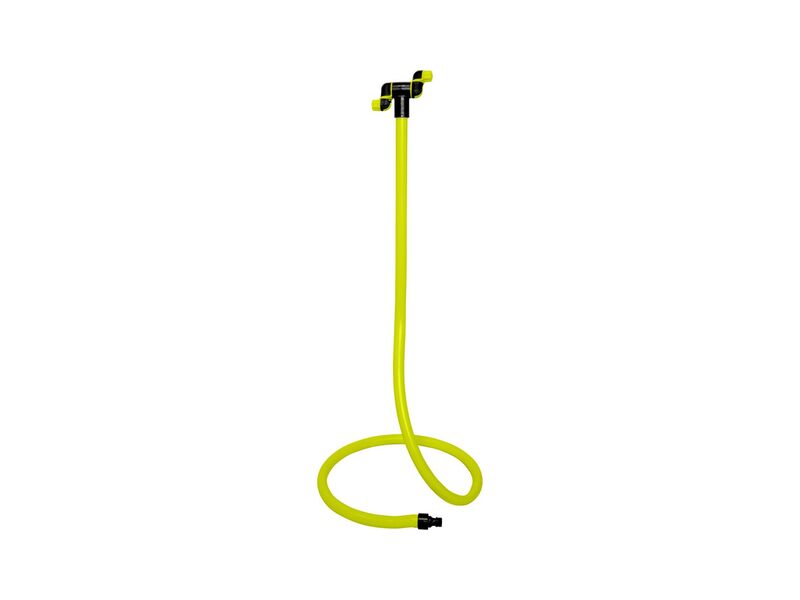
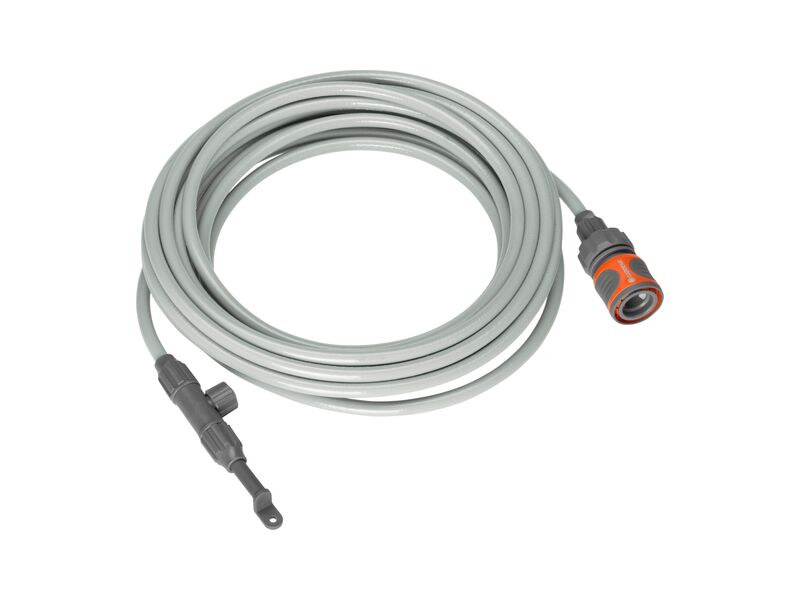
Not all misting systems work the same way, and this technical difference shapes everything else: coverage, comfort and even price. There are two main families. Low pressure models connect directly to a garden hose or a standard outdoor tap (a few bar), like the pedestal Jardibric Cobra or the wall kit Gardena City Gardening. Simple to install and needing no electricity, they produce medium sized droplets that cool the surrounding air effectively, at the cost of a slight damp effect on the ground if the air is already humid.
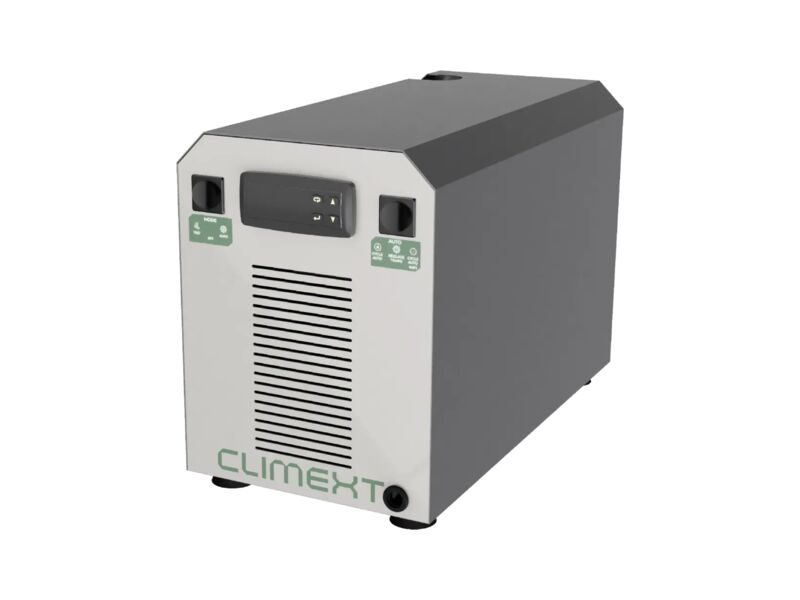
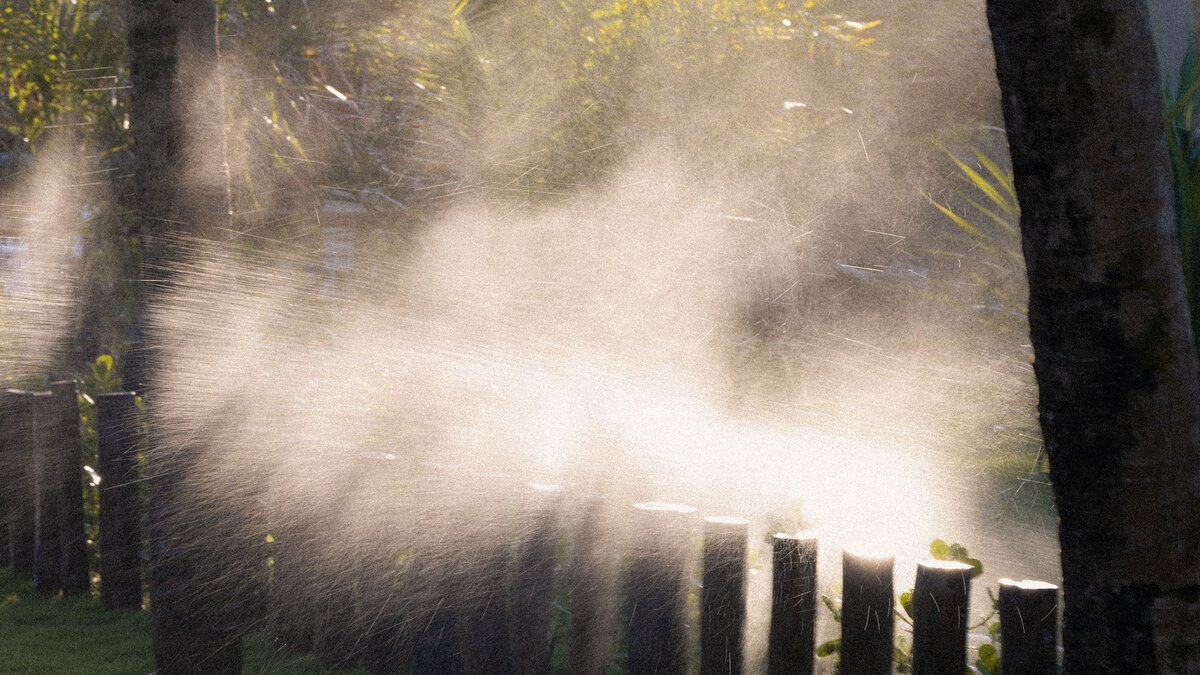
High pressure systems, such as the Naneau Climext (10 nozzles), use an electric pump that can reach up to 60 bar. At that pressure, droplets drop below 20 microns and evaporate almost instantly on contact with warm air, cooling without wetting anything. This is the principle behind most restaurant terraces and event cooling installations.
How much coverage do you need: patio, garden or event
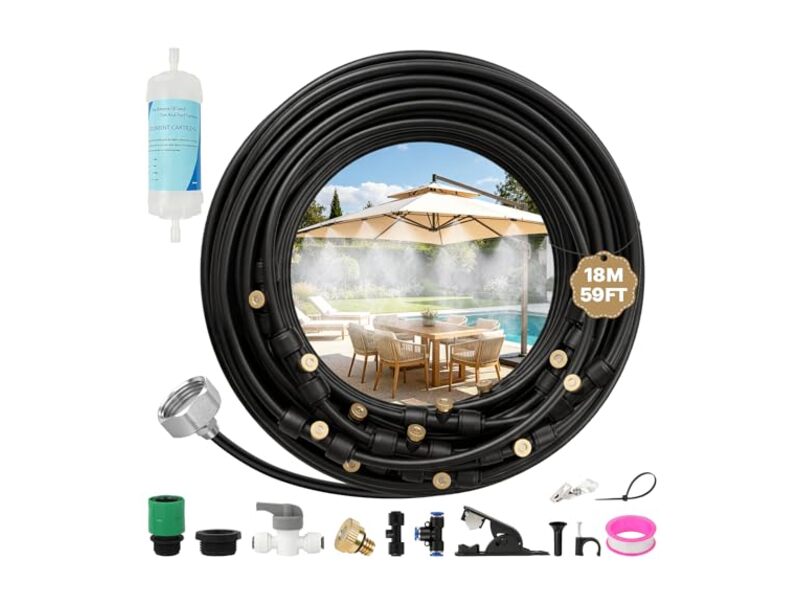
For a small patio or dining corner, a pedestal mister with one or two heads is more than enough: it targets a 1 to 2 metre radius and can be moved around as needed. For a larger garden, a pergola or a whole facade, a wall kit like the Edonkvi 18 metre kit (25 brass nozzles) creates a continuous curtain of cool air along the full length of the hose.
For an event (an outdoor wedding, a trade show, a restaurant terrace), the scale changes: a 10 nozzle high pressure setup like the Naneau covers 10 to 15 m² on its own, and the system is modular, with extra nozzles or several pumps run in parallel for a larger reception. See also our detailed pedestal versus wall comparison if you are only weighing up those two low pressure formats.
Water and power supply: what to plan for before you buy
A low pressure mister only needs a water point: an outdoor tap or a garden hose, with a scale filter upstream to protect the nozzles. An electric high pressure system, on the other hand, needs two connections: a water supply and an outdoor power socket. This is the detail most often overlooked.
Any socket used outdoors must be properly protected: an IPX4 rating at minimum against water splashes, and wired through a 30 mA residual current device (RCD), the only device able to cut power in a fraction of a second if an insulation fault occurs near water. This is not an optional precaution: it is a requirement under electrical safety standards for any outdoor equipment powered near water.
Routine maintenance: cleaning the nozzles and preventing limescale
Limescale is the number one enemy of misting nozzles, whatever the pressure. The micro-orifices (often under 0.2 mm on high pressure systems) gradually clog if the water is hard, which distorts the mist cloud and drops the pressure.
- Regular flushing: run the system empty for a few minutes after a long period of disuse to clear out deposits.
- Descaling: remove clogged nozzles and soak them in warm white vinegar for an hour, then clear the openings with a fine needle, never a rigid metal object that could distort the calibration.
- Scale filter: replace or clean it at the start of the season, before the first heavy use.
- Seals and fittings: check for leaks at the quick connectors, a frequent source of pressure loss on longer kits like the Edonkvi.
Kits with anti-corrosion brass nozzles stay easier to maintain than plastic or steel ones, which scale up faster and scratch with use.
Winter storage: putting your mister away properly at season's end
A mister left outside all winter risks freezing water in the hoses and nozzles, with a real risk of cracking once it thaws. Three simple steps before the first cold snap:
- Drain the hose and nozzles by blowing out residual water or raising the end to let it run off.
- Unplug the power supply of the high pressure system and store the pump somewhere dry and frost free (a garage, a utility room).
- Store the pedestal mister indoors: plastic exposed to UV and repeated frost weakens far faster than plastic kept under cover.
A wall kit fixed in place can stay put from one season to the next, provided it has been properly drained: that is precisely its advantage over a pedestal model that has to be brought out again every year.
Misting for an event: weddings, professional terraces, outdoor trade shows
For an outdoor wedding, a restaurant terrace or an open air trade show, the criteria change: it is no longer just about cooling a dining corner, but covering a walkway area without ever wetting guests or the ground (a slip hazard). A high pressure system with a digital timer, adjustable down to the second, lets you programme short cycles (a few seconds every two or three minutes) that keep the cooling effect going without saturating the air with moisture.
A lesser known benefit: the fine droplets produced at high pressure disrupt the flight of mosquitoes and other flying insects, a real plus for an evening reception. For a one off event, renting a professional system is often more cost effective than buying, unless the use case repeats every year (weddings, outdoor catering professionals, terrace operators).
What budget should you plan for, depending on the type of mister?
Budget varies considerably depending on the family you choose and the area to cover.
| Type of mister | Indicative budget | Recommended use |
|---|---|---|
| Low pressure pedestal | £20 to £40 | Patio, balcony, dining corner |
| Low pressure wall kit (10 to 18 m) | £30 to £90 | Garden, pergola, facade |
| Electric high pressure (10 nozzles) | £200 to £500 and up | Large terrace, professional use, events |
On top of that purchase budget, high pressure systems add a modest but real running cost in electricity (a low power pump, running intermittently): a point worth comparing against a fan or an air conditioner if you are weighing up how to cool a covered terrace.