Why Do Dogs Struggle So Much in Hot Weather?
Unlike humans, dogs have very few functional sweat glands, concentrated in their paw pads. Their main way of regulating body temperature is panting, which evaporates water from the respiratory tract to release heat, a mechanism far less efficient than sweating over the entire skin surface.
Everyday Essentials for Keeping Your Dog Cool
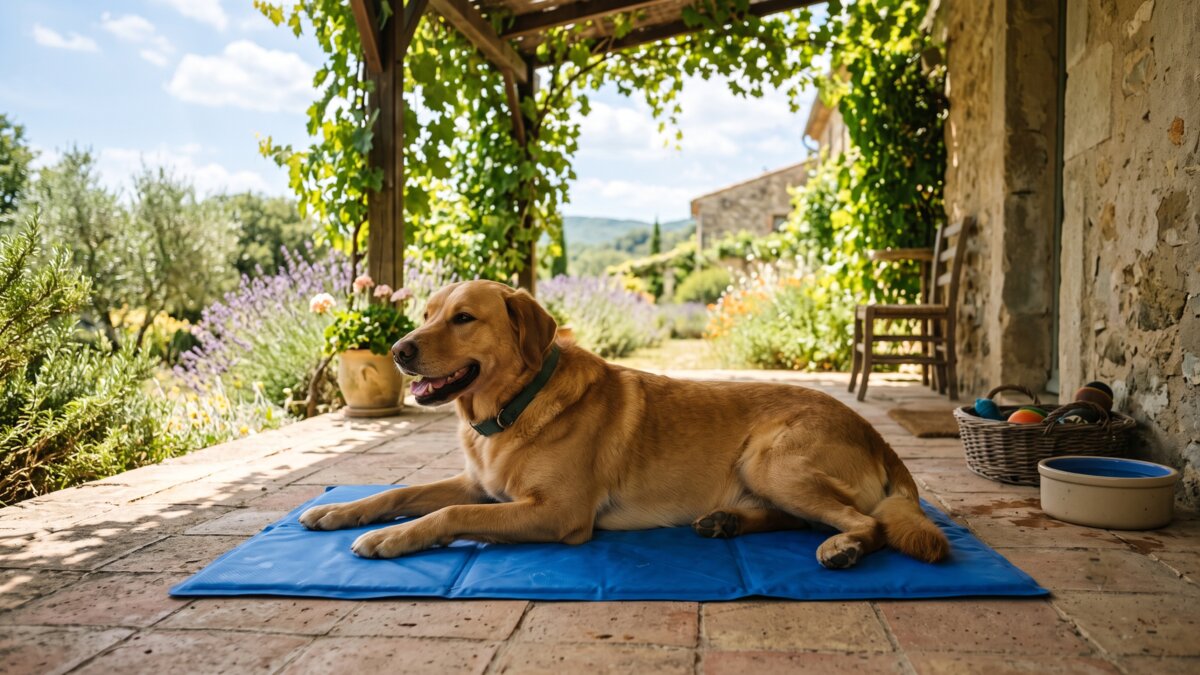
- Fresh water at all times, in the shade. Several water points if your dog has access to a garden, topped up regularly to stay cool.
- Walks during the cooler hours. Early morning or after sunset, avoiding the hottest part of the day entirely.
- The pavement test. Press the back of your hand on the pavement or asphalt for five seconds: if it's too hot for you, it's too hot for their paw pads.
- Never in a parked car, not even for a few minutes, not even with the windows cracked open: the temperature inside a car in the sun climbs extremely fast and can turn deadly in under 15 minutes.
- A water mister on the coat (never sprayed directly on the muzzle) helps bring the temperature down through evaporation during a walk in the heat.
The Gear That Actually Helps Keep a Dog Cool
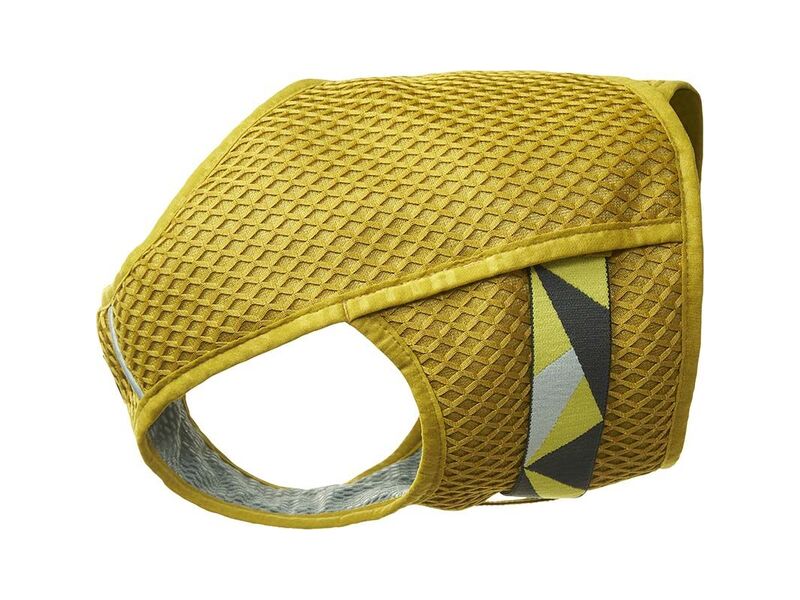
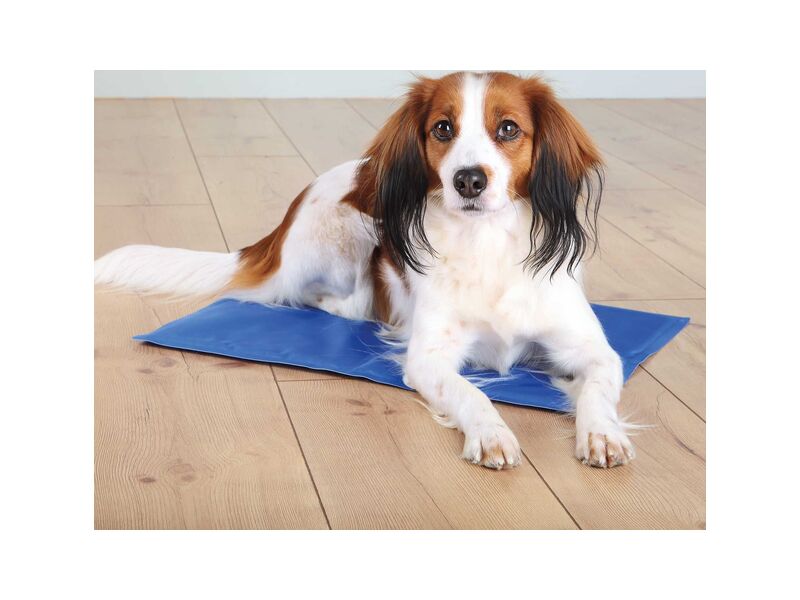
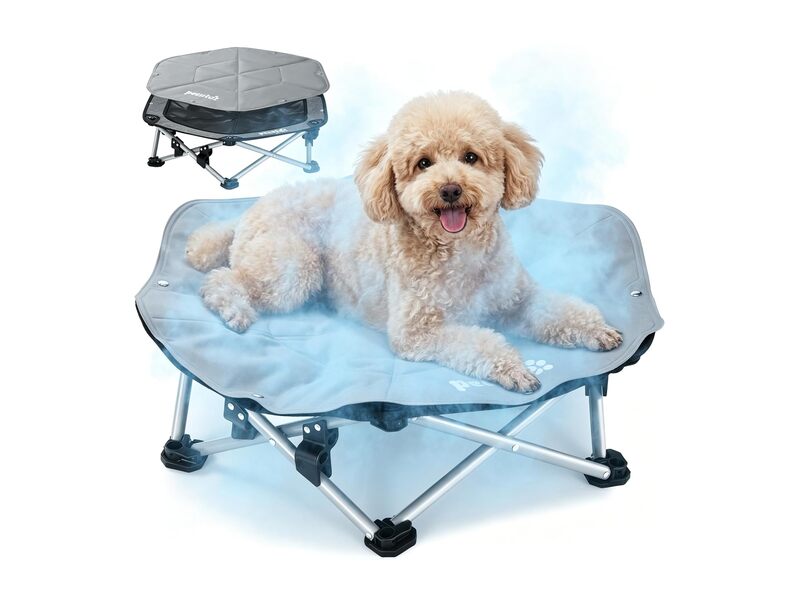
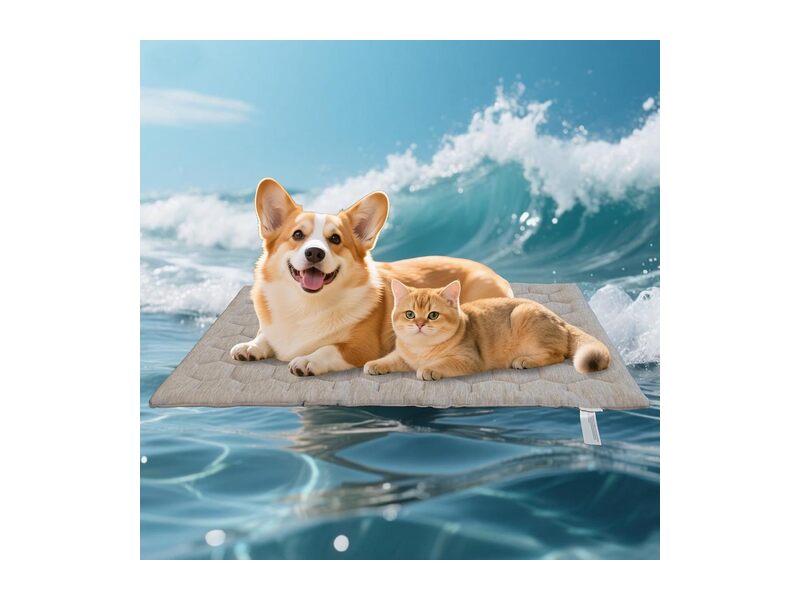
A cooling mat or bed filled with gel absorbs the dog's body heat on contact, with no water or electricity involved: the dog lies down on it and the cooling sensation lasts several hours, before the mat regenerates naturally once the dog moves off it. A cooling vest, soaked in cold water before use, keeps a dog cool for longer during a walk or physical activity, particularly useful for an active or sporty dog.
Warning Signs of Heatstroke to Watch For
Heatstroke in dogs can progress very quickly and can become life-threatening within a matter of minutes: it's always better to call a vet out of caution than to hesitate over ambiguous symptoms.