Rigid cooler: our selection and buying guide
Our selection
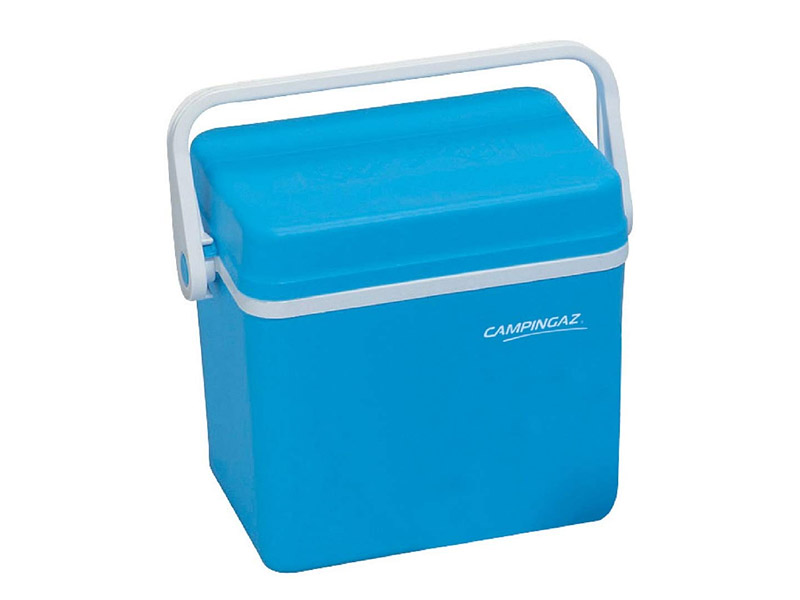
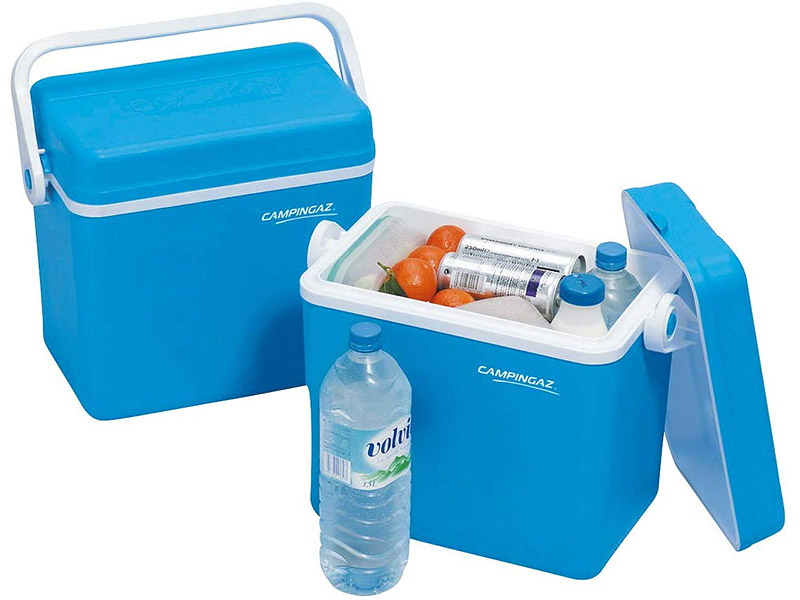
Campingaz Isotherm 934
Check price and availability (22)
Compact and virtually indestructible, the Campingaz Isotherm 934 keeps your drinks cool for up to 20 hours and can even take your weight if you sit on the lid.
- Capacity : 17 litres, up to 11 bottles of 0.5 L
- Cold retention : Up to 20 hours (20h30 with a Freez'Pack M10)
- Insulation : 100% PU polyurethane foam, CFC and HCFC free, in both the body and the lid
- Lid-locking handle, structure rated for 250 kg
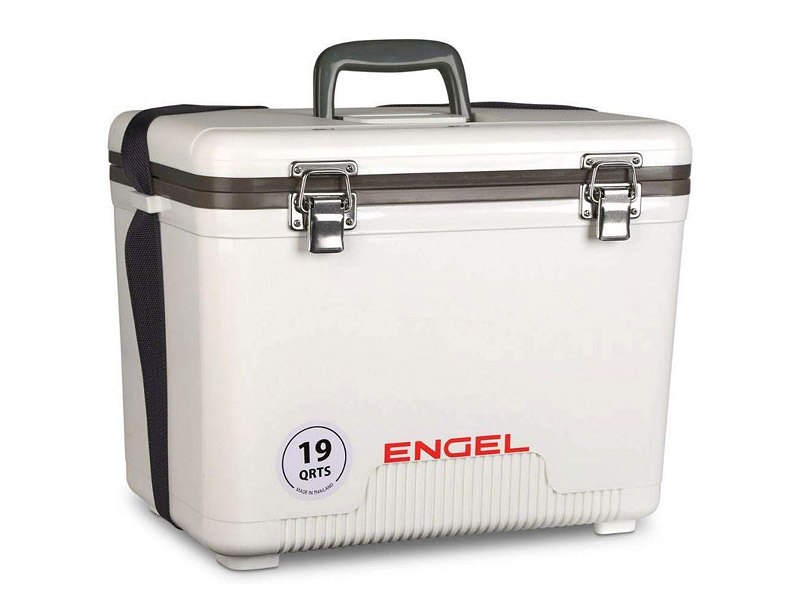
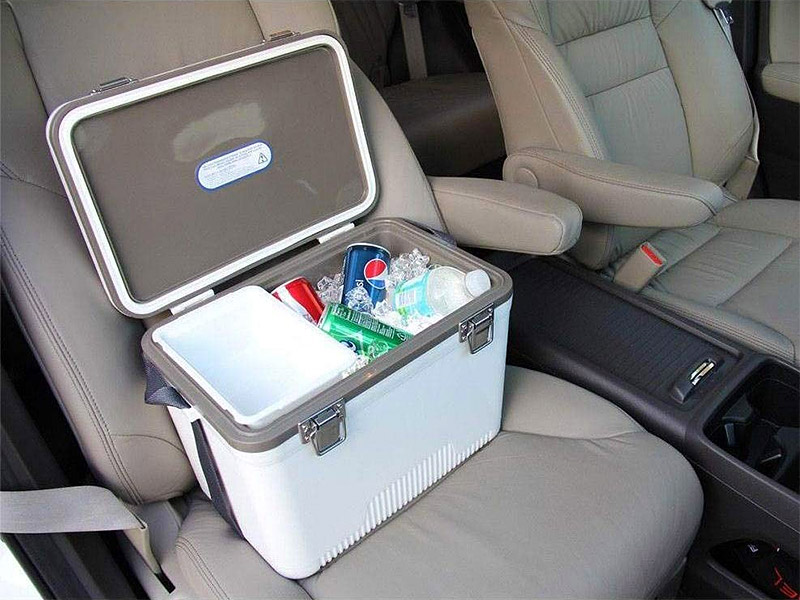
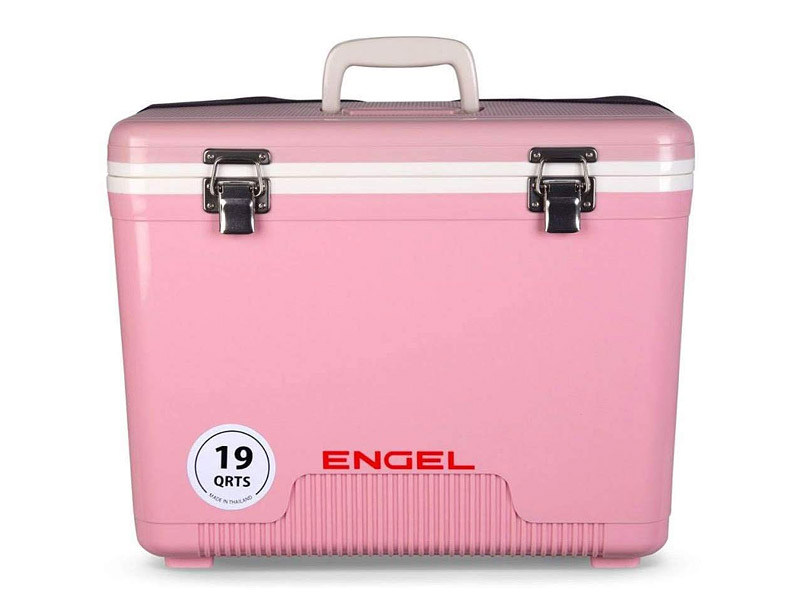
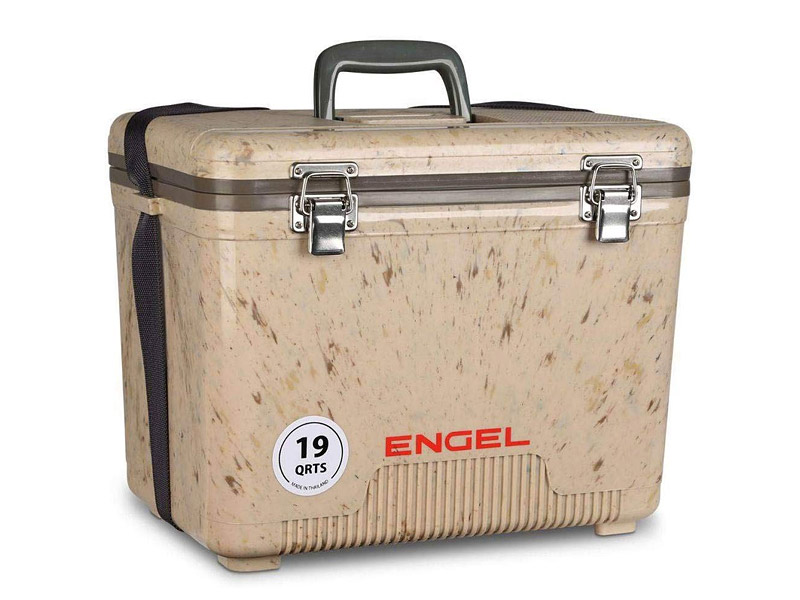
Engel UC19
Check price and availability (14)
Airtight and waterproof, this 18-litre Engel cooler floats even when full: the ideal companion for fishing, kayaking and boating trips.
- Capacity : 18 litres (19 US quarts), up to 30 cans of 33 cl
- Outer dimensions : 42 x 28.6 x 32.4 cm
- Inner dimensions : 35 x 20.3 x 25.4 cm
- Waterproof box that floats even when full, 5-year warranty
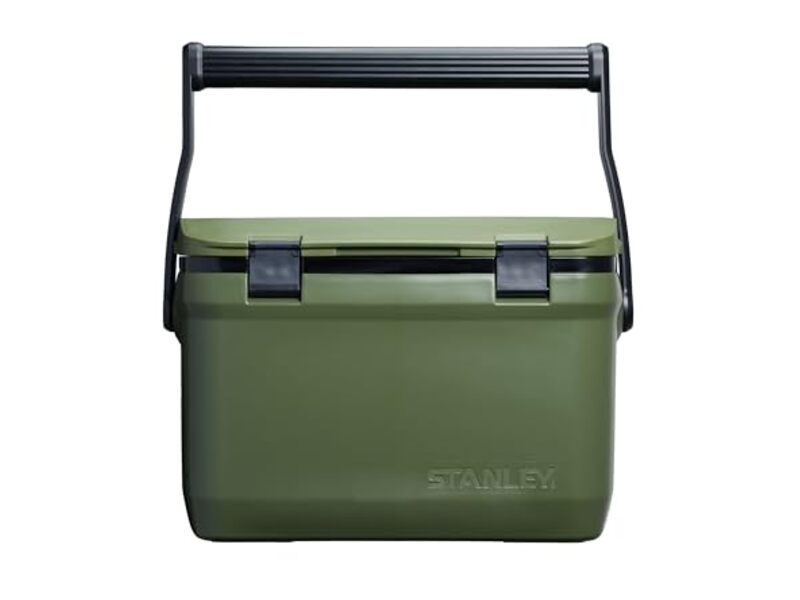
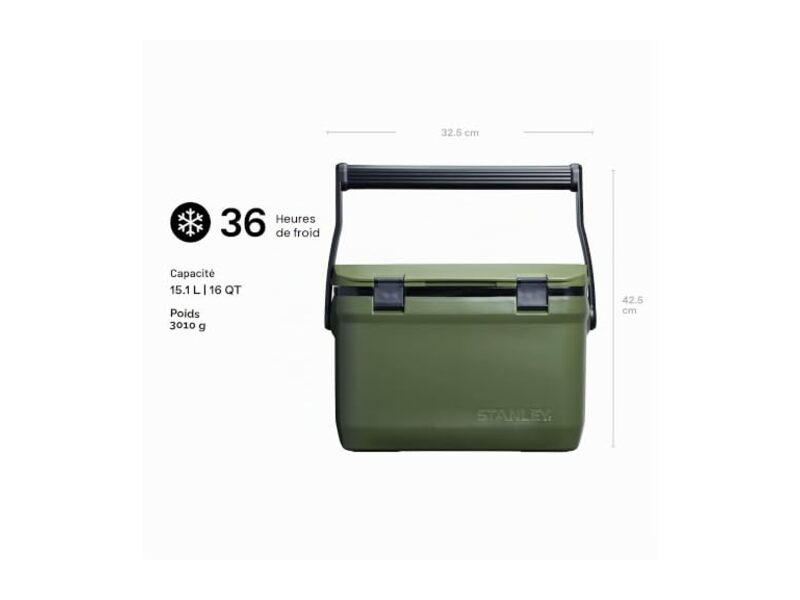
Stanley Adventure Outdoor Cooler
Check price and availability (21)
The Stanley Adventure Outdoor Cooler keeps drinks ice cold for up to 36 hours and its rugged lid doubles as a sturdy seat outdoors.
- Capacity : 15.1 litres
- Cold retention : Up to 36 hours
- Insulation : Double-wall foam insulation, BPA-free
- Rugged shell that doubles as extra seating
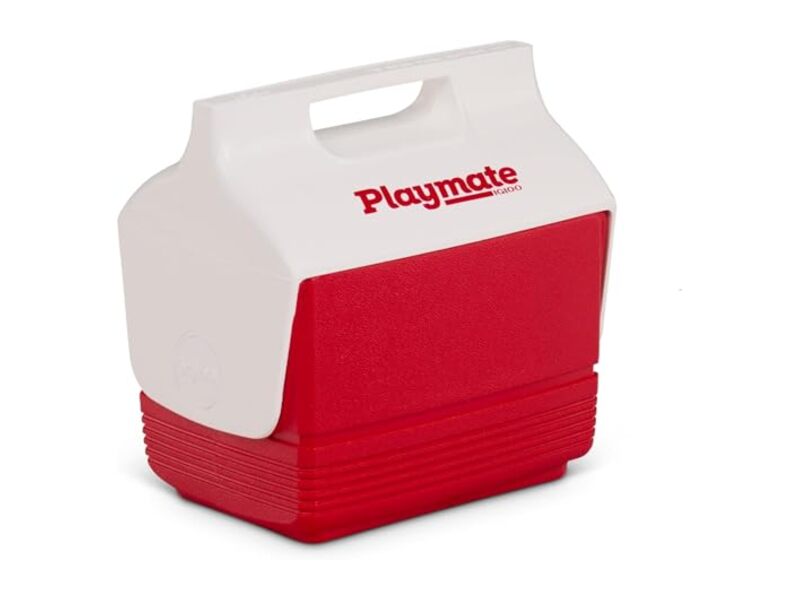
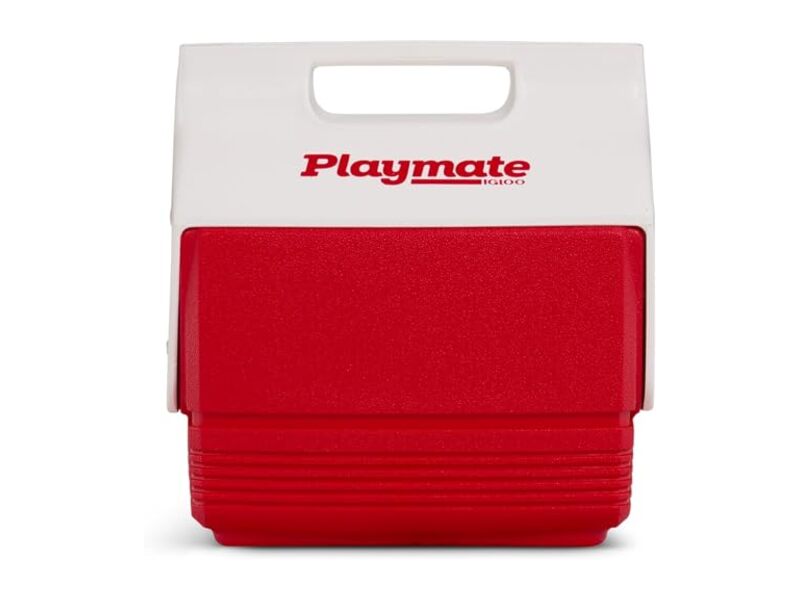
Igloo Playmate Elite
Check price and availability (10)
The Igloo Playmate Elite, the iconic red and white silhouette of American camping since the 1970s, remains a timeless classic.
- Capacity : 15 litres, up to 30 cans
- Insulation : Polyurethane foam, polystyrene shell
- Historic camping brand since 1947, lockable carry handle
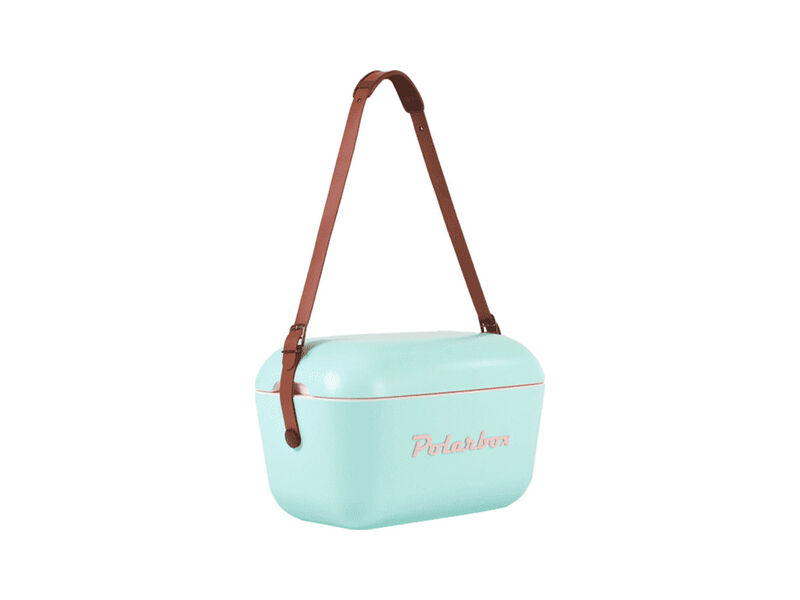
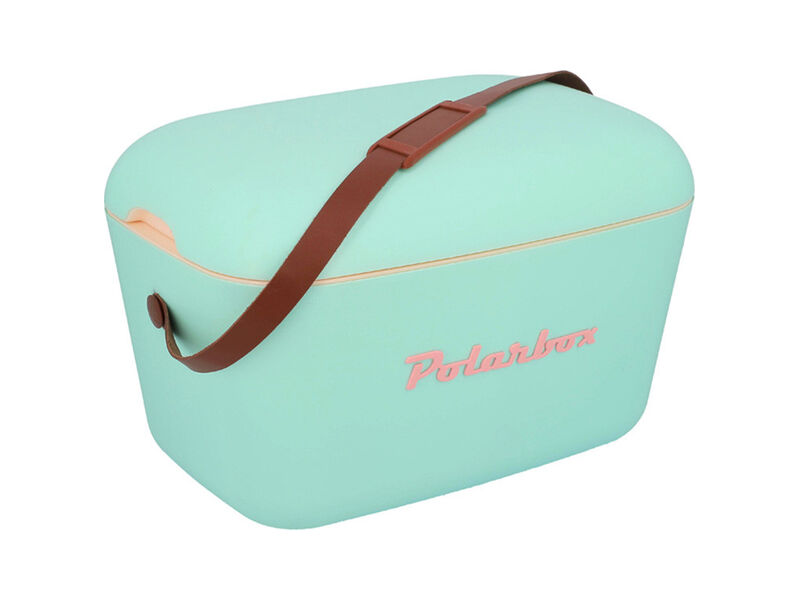
Polarbox PLB20
Check price and availability (17)
A cooler that fully commits to a retro, pastel look, made in Spain, with a lid that doubles as a tray and an adjustable leather strap.
- Capacity : 20 litres, about 30 bottles
- Cold retention : Up to 24 hours with 20% ice
- Insulation : Expanded polystyrene AIRPOP, polypropylene shell
- Retro pastel design, made in Spain, lid doubles as a tray
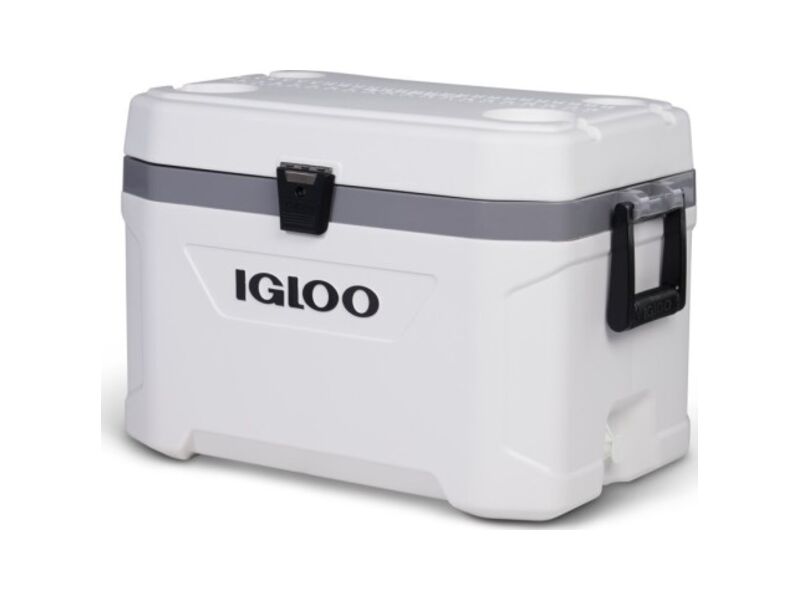
Igloo Marine Ultra 54
Check price and availability (10)
A large 51-litre rigid cooler built for boating, with rust-resistant stainless steel hardware and up to 5 days of cold claimed.
- Capacity : 51 litres, around 78 cans
- Cold retention : Up to 5 days claimed at 30°C ambient
- Hardware : Rust-resistant stainless steel
- Marine format, built-in lid ruler, UV protection
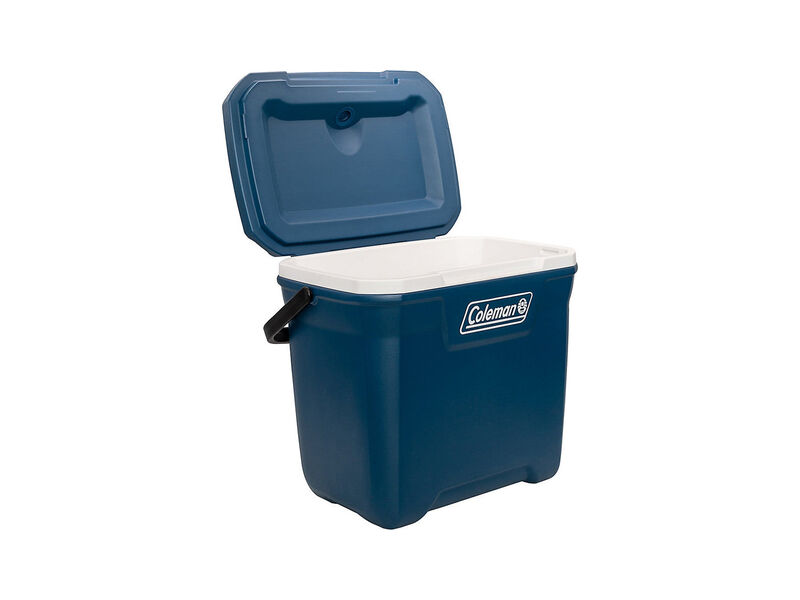
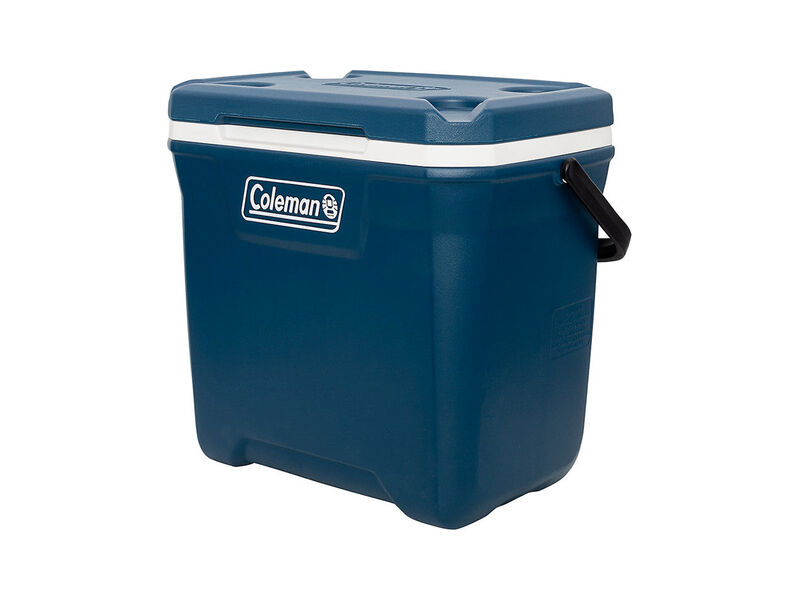
Coleman Xtreme 28QT
Check price and availability (11)
A compact 26-litre rigid cooler with injected polyurethane foam and a lid sturdy enough to sit on, rated to 113 kg.
- Capacity : 26 litres, up to 48 cans
- Cold retention : Up to 3 days claimed
- Insulation : Injected polyurethane foam
- Lid rated to 113 kg for seating, 4 cup holders
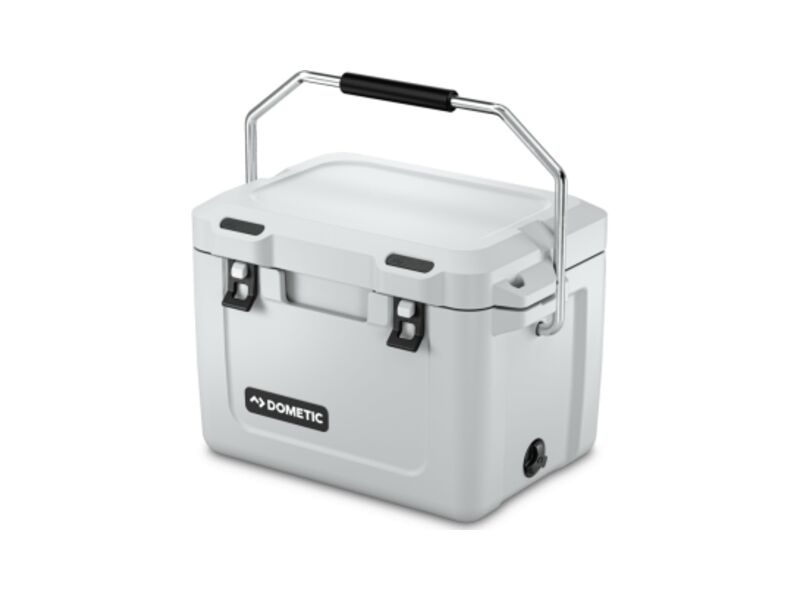
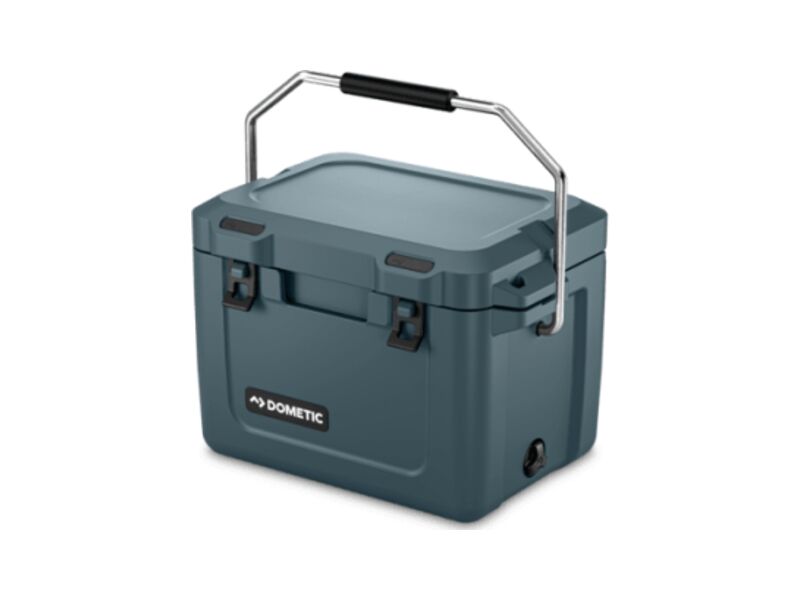
Dometic Patrol 20
Check price and availability (8)
A premium roto-moulded cooler in single-piece polyethylene, a freezer-grade lid gasket and rubber hinges that open one-handed.
- Capacity : 19 litres, about 15 cans
- Build : Roto-moulded, single-piece polyethylene
- Water resistance : Freezer-grade lid gasket
- Roto-moulded toughness, one-handed hinges
Related questions
Allow 15 to 25 litres for a picnic or day trip, 30 to 50 litres for a camping weekend or family use, and beyond 50 litres for an extended trip or nautical use requiring longer runtime.
This varies enormously with insulation quality: from 20 to 30 hours on an entry-level model to several days (3 to 10 days) on premium single-piece rotomoulded coolers. These figures should be scaled back in prolonged heat.
Rotomoulded construction makes the cooler in a single piece, with no fragile seams or welds, making it tougher against knocks and wear than a cooler moulded in multiple parts. This pricier manufacturing technique justifies the higher cost of these premium models.
Yes, that's precisely its defining feature: no power supply or battery is needed, cold being maintained solely by the cooler's insulation and ice packs or ice cubes placed inside.
Some models, particularly the toughest ones, claim a lid load capacity of up to 100kg or more, handy for sitting on while fishing or at a picnic. This information is generally found in the manufacturer's spec sheet.