How to Clean a Fridge: The Complete Guide, Inside and Out

Lingering odours, blackening door seals, sticky shelves: a poorly maintained fridge uses more power and keeps food less well. Here's the proper method, no harsh products, for a full clean in under an hour.

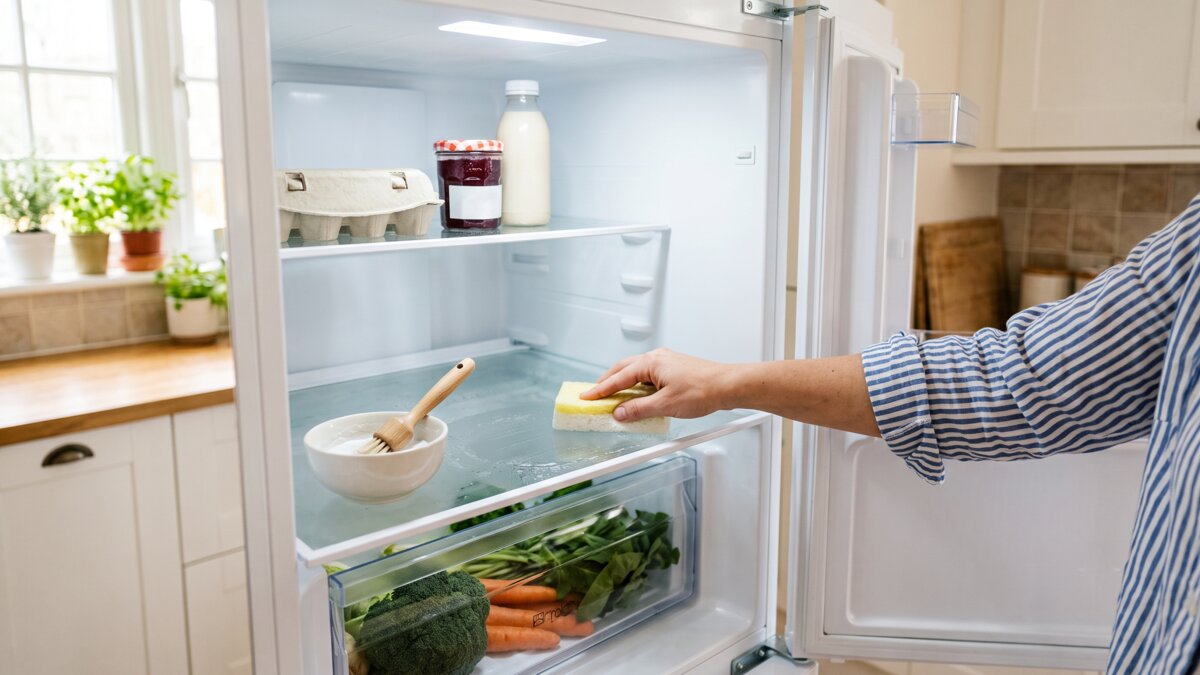
Cleaning the inside of a fridge with a sponge and baking soda

How Often Should You Clean a Fridge?

A full clean, with food removed and shelves washed, is best done once a month. Between full cleans, a quick wipe over visible marks as soon as they appear stops them from building up and becoming a breeding ground for bacteria.

The habit worth keeping Any spilled food (juice, sauce, dairy) should be wiped up straight away: beyond the smell, these residues are an ideal breeding ground for bacteria within just a few hours, even at fridge temperature.

How to Clean the Inside of a Fridge, Step by Step

  • 1. Empty the fridge completely. Move perishable food into a cool box or an insulated bag for the duration, and use the moment to check use-by dates.
  • 2. Remove the shelves and any removable drawers. Wash them in warm soapy water at the sink, never with boiling water, which can crack a glass shelf through thermal shock.
  • 3. Clean the inside with baking soda. A tablespoon of baking soda diluted in a litre of warm water, applied with a sponge, cleans effectively without leaving a chemical smell that could taint food.
  • 4. Pay close attention to the door seals. An old toothbrush and a little soapy water lift out the grime trapped in the folds, often the most neglected spot.
  • 5. Dry everything thoroughly before putting it back. A still-damp interior encourages frost to form on the cold walls.

How to Get Rid of Bad Smells for Good

Beyond a one-off clean, a small container of baking soda left permanently at the back of the fridge soaks up odours over time, and should be replaced every one to two months. Dried coffee grounds or activated charcoal do a similar job as a stopgap.

Pro tip A smell that lingers despite a full clean and an odour absorber often points to a door seal that isn't closing properly, letting outside air circulate continuously, or a clogged condensation drain at the back of the appliance.

What About the Outside: What to Clean, and How Often?

Outer surfaces (doors, handles) should be cleaned with mild soapy water as soon as they show marks, with stainless steel needing a dedicated product to avoid streaks. The back grille or compressor, often forgotten, deserves a vacuum once or twice a year: a thick layer of dust on the condenser hampers heat dissipation and makes the appliance work harder for nothing.
Products mentioned in this article

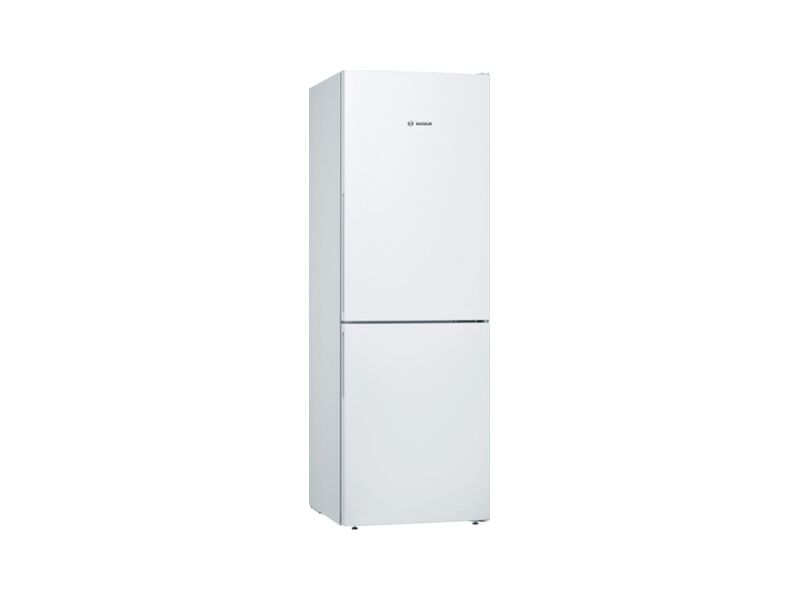
Bosch KGV33VWEAS

Bosch KGV33VWEAS

Check price (10)

A Series 4 fridge freezer from Bosch, with a VitaFresh drawer to keep fruit and vegetables fresher for longer.

See details
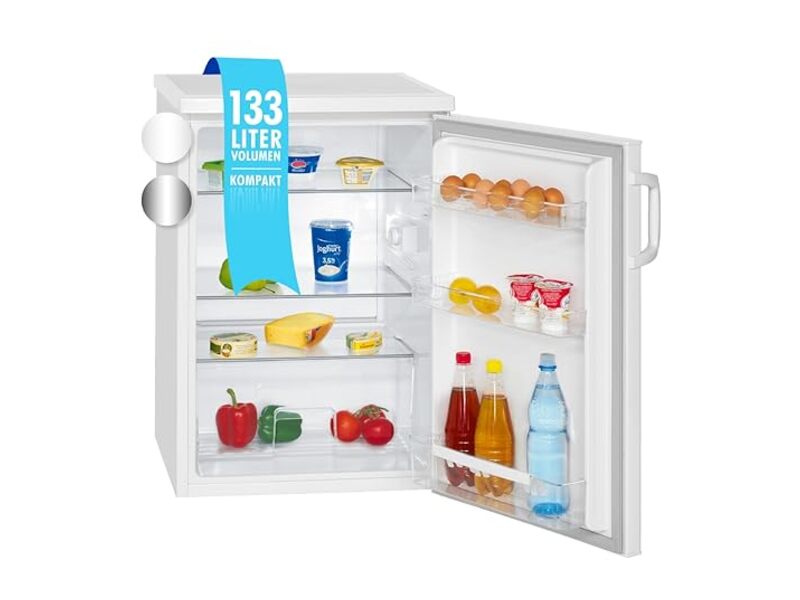
Bomann 133L Fridge VS 2195-1

Bomann 133L Fridge VS 2195-1

229.00€ (11)

This 133-litre Bomann standard fridge, with no freezer compartment, keeps things simple with LED lighting.

See details
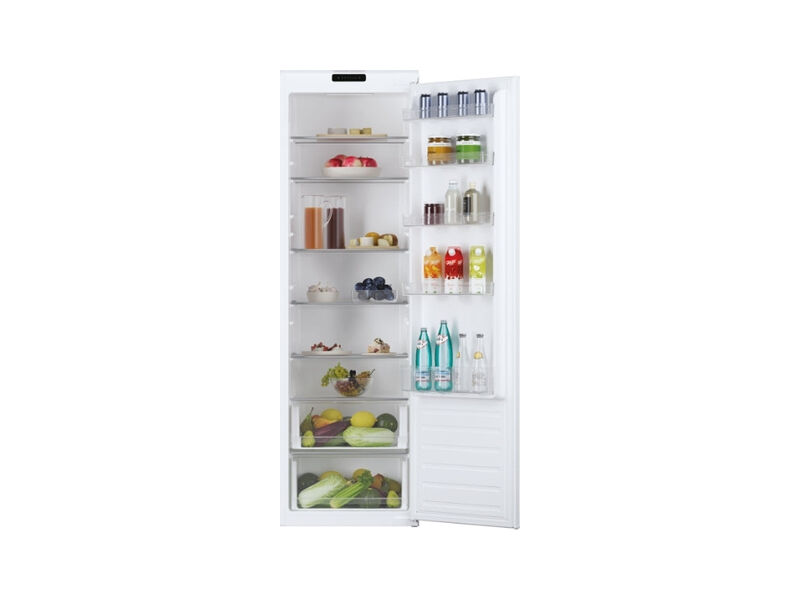
Candy CMS518EW

Candy CMS518EW

499.00£ (6)

A 316-litre built-in single-door fridge with a sliding rail system, for an invisible installation behind a made-to-measure kitchen door.

See details
Beko Upright Freezer 451L

Beko Upright Freezer 451L

429.00€ (8)

A large 451-litre Beko upright freezer, organised with drawers, built to stock up a family-sized reserve of frozen food.

See details

Frequently asked questions

A full clean once a month, with a quick wipe over any marks as soon as they appear in between full cleans.

Yes, diluted in warm water it cleans the inside surfaces effectively without leaving a chemical smell that could taint food, unlike some scented household products.

A door seal that isn't closing properly or a clogged condensation drain at the back of the appliance are the most common causes of a lingering smell despite a full clean.

Yes, a vacuum once or twice a year stops a thick layer of dust from hampering heat dissipation, which would make the appliance work harder for nothing.
It isn't recommended for surfaces that touch food: diluted baking soda or a mild, unscented soap remain the safest and most effective options.

Sources: