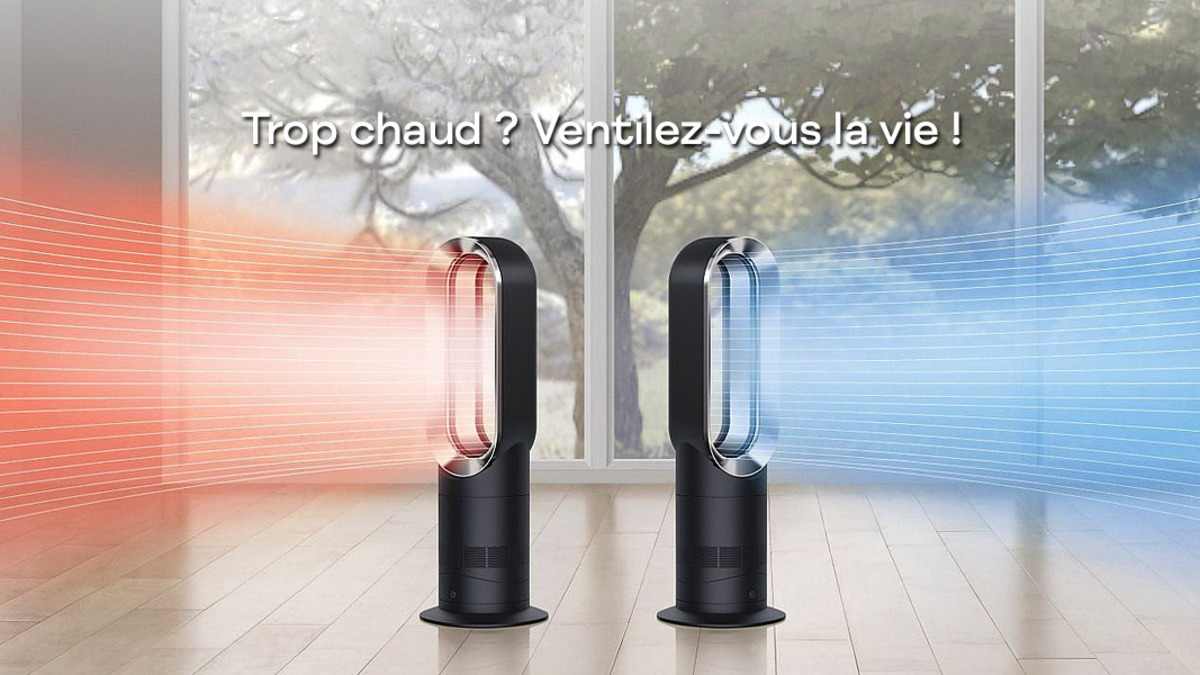
Two very different operating principles
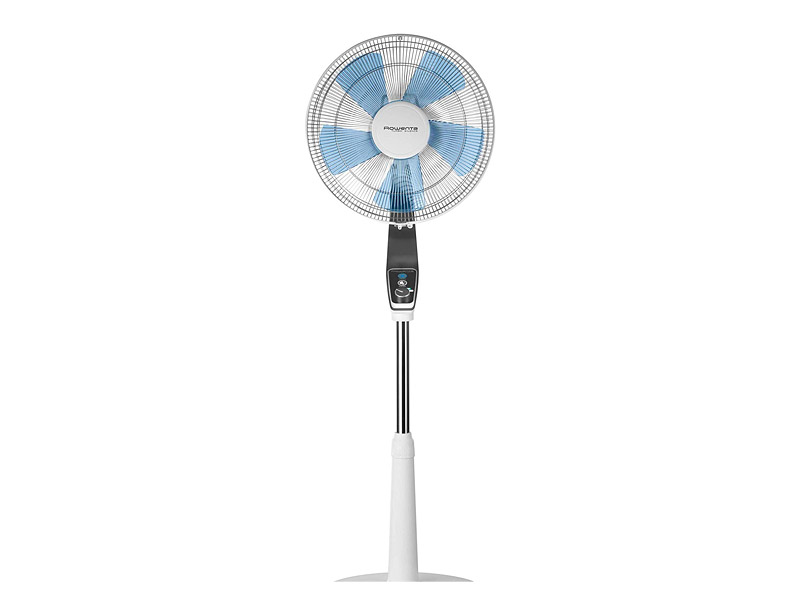
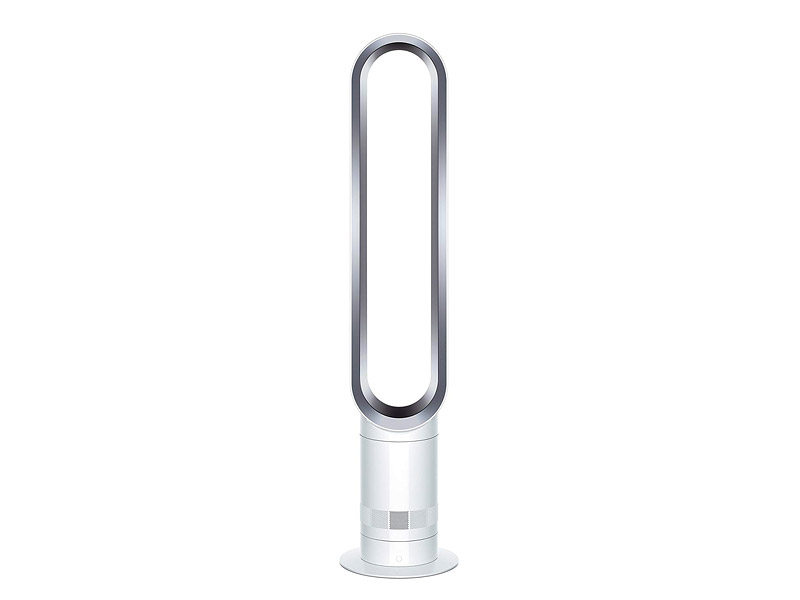
The confusion between fans and air conditioners often comes from the same stated goal, "feeling less hot", achieved through two radically different physical principles. A fan does not change the ambient air temperature at all: it simply moves it around, which speeds up the evaporation of sweat on the skin and gives a feeling of coolness, without lowering the room's thermometer by a single degree.
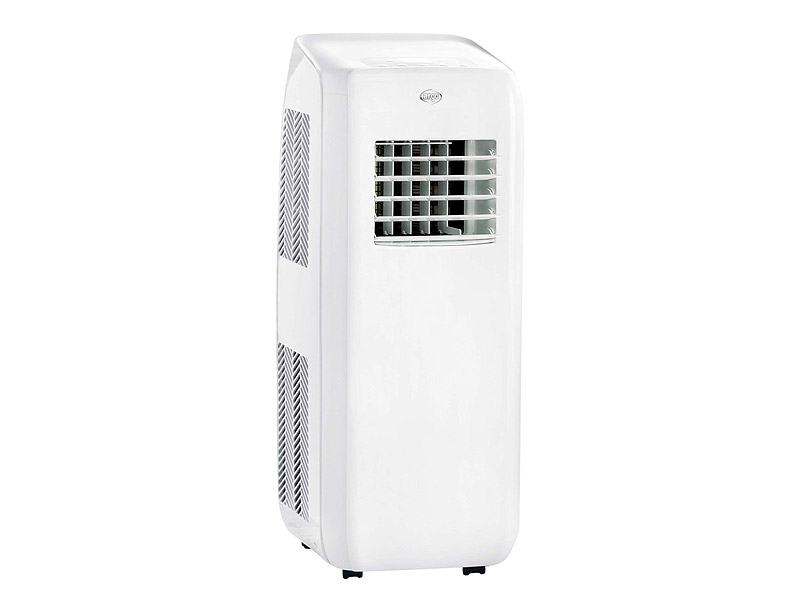
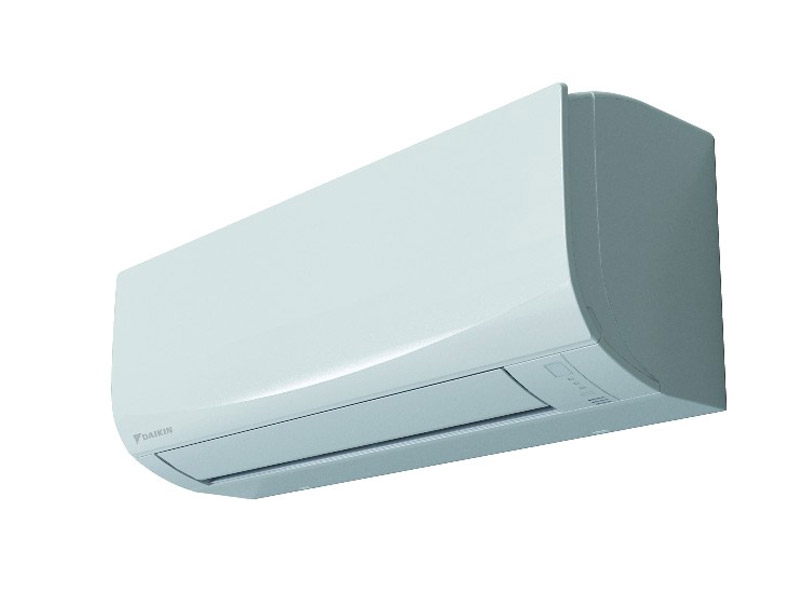
An air conditioner, whether portable or fixed, works on a compressor refrigeration cycle: it genuinely extracts heat from the indoor air and releases it outside (through an exhaust hose for a portable unit, through the outdoor unit for a split system). The room temperature actually drops, something no fan can do, however powerful it is.
Budget: a considerable gap
The first criterion that often settles the choice remains budget, both to buy and to run. A good table or pedestal fan generally costs between £20 and £90, with an electricity consumption of just a few dozen watts, a few pence per night of use.
A portable air conditioner starts around £300-400 for an effective model, and a fixed split air conditioner frequently exceeds £800-1200 including installation, with an electricity consumption on a completely different scale (several hundred watts to a few kW depending on power and running time). The gap in upfront budget is therefore compounded by a gap in running costs over the appliance's entire lifespan.
The room to cool and its sun exposure
A bedroom that gets little sun, well insulated, with walls that stay cool even during a heatwave, often does very well with just a fan, possibly combined with shutters closed during the day. Conversely, a room under the roof, facing south, or with large unprotected glazed areas can reach temperatures where even the best fan is no longer enough to make the space liveable: that's typically the case where an air conditioner really changes things.
Room size matters too: a fan remains relevant up to a bedroom or a medium-sized living room, while a large open-plan space (an open-kitchen living room, for example) will need either a powerful pedestal fan as a backup, or an air conditioner sized for the volume to be cooled.
How you'll use it: occasional or prolonged
For occasional use (a few heatwave nights each summer, an afternoon nap, an office occupied for a few hours), a fan is more than enough and avoids an investment disproportionate to the actual need. It also stores away easily the rest of the year without taking up space.
For prolonged, repeated use over several weeks each summer, in a region where heatwaves are frequent, or for someone particularly sensitive to heat (a young child, an elderly person, a health condition), investing in an air conditioner becomes easier to justify: comfort, and sometimes health and safety, outweigh pure economics.
Our comparison table
| Criterion | Fan | Air conditioner |
|---|---|---|
| Lowers the temperature | No (moves the air) | Yes (refrigeration cycle) |
| Purchase price | £20 to £150 | £300 to £1200+ |
| Electricity consumption | A few dozen W | Several hundred W to a few kW |
| Installation | None | None (portable) to professional (fixed split) |
| Noise level | Low to moderate | Moderate (portable) to low (fixed inverter) |
| Best suited for | Occasional use, small budget, room with little sun | Prolonged use, strong sun exposure, large room |
Our recommendation
In practice, the two solutions don't necessarily rule each other out: many households combine a fan for secondary rooms or the more bearable nights, with a portable or fixed air conditioner for the main room or the peak of a heatwave. If your budget only allows for one appliance, start by honestly assessing how much sun your home actually gets and how often heatwaves occur in your region before deciding.