IFA 2026: where home cooling changes its vocabulary
Berlin's IFA (Internationale Funkausstellung) is, alongside CES in Las Vegas, one of the two biggest global consumer electronics events. Its 2026 edition, held from 4 to 8 September, confirmed a shift in vocabulary among the largest home cooling manufacturers: they no longer just talk about 'connected' appliances, but about genuinely 'smart' ones this time.
Samsung and LG, the two biggest global players in mass-market air conditioners and fridges, each showcased their new flagship generation. Both brands feature heavily among our tested air conditioners and fridges, which gives us a concrete point of comparison between what you may already own and what is arriving next.
Samsung Bespoke AI WindFree Pro: the air conditioner that senses where you are
The Bespoke AI WindFree Pro won 'Best in Design' at the IFA Innovation Awards 2026, plus a mention in the home appliances category. Its core technical novelty is a single function: AI Motion Wind. A radar sensor, rather than a simple temperature probe, detects the position, presence and activity level of people in the room, to steer and modulate airflow accordingly, avoiding a direct draught on someone sitting still.
Airflow itself passes through 23,000 micro air holes spread across the unit's front panel: air comes out as a gentle sheet rather than a localised jet, which limits the unpleasant sensation of a constant cold draught, a frequent complaint about traditional air conditioners. Three moving wings ('Motion Wings') further vary the diffusion pattern depending on the time of day.
Two features target specific use cases:
- WindFree Wearable Good Sleep: the unit syncs with a compatible wearable device to adjust cooling to sleep phases, reducing intensity during deep sleep.
- Comfort Drying: dehumidification that regulates temperature and humidity without an associated cooling effect, with a claimed 30% energy saving over the brand's previous dehumidification methods.
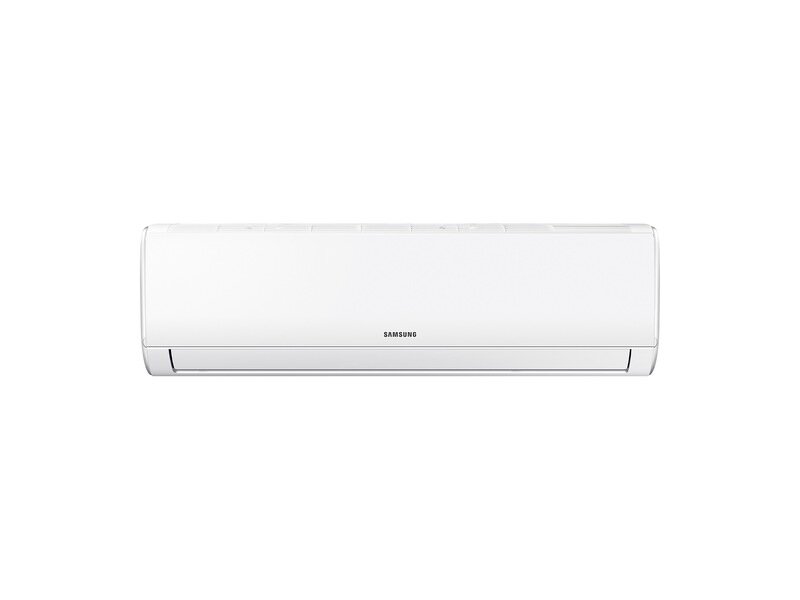
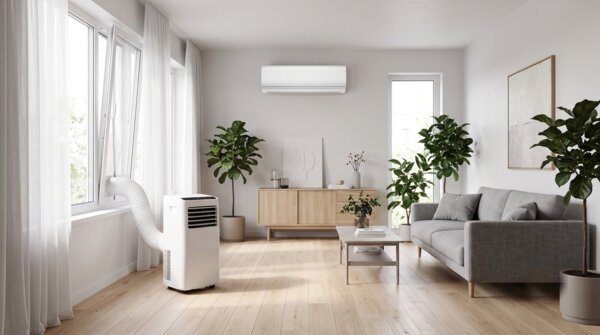
To put these numbers in context, the Samsung AR35 already featured in our selection is a classic reversible split unit from the brand, without presence radar: it still relies on Digital Inverter regulation alone, efficient, but driven purely by ambient temperature. That is exactly the difference between connected and smart we detail further below.
LG SIGNATURE: the fridge you can genuinely talk to
On LG's stand, the next generation of the premium SIGNATURE fridge demonstrated a voice assistant built on a large language model (LLM), able to understand a naturally phrased sentence rather than a rigid list of preset commands. In practice, a visitor can ask the appliance how to best store a specific ingredient, get an overview of what is inside, or coordinate a cooking task, and receive a naturally worded answer on the built-in 6.8-inch display.
The AI Fresh feature goes further than dialogue alone: it observes the household's actual door-opening patterns and can pre-cool the interior up to two hours ahead of an anticipated opening, based on usual timing rather than manual scheduling. The stated goal is to limit the temperature spike at the critical moment of opening, without running the compressor continuously at full power.
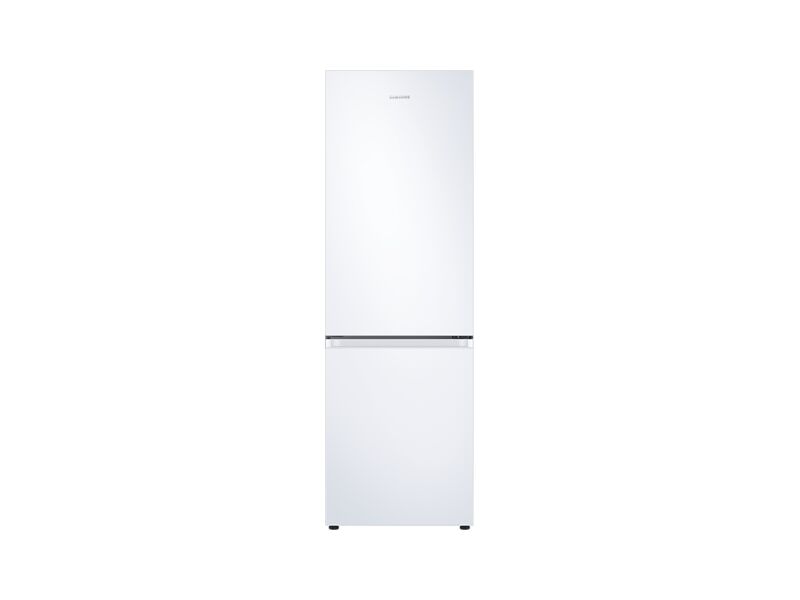
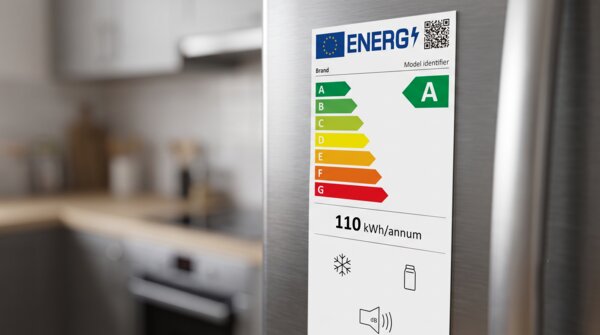
The Samsung RB34C602ESA in our selection illustrates the intermediate step already well established: its SmartThings connectivity lets you monitor temperature remotely and receive alerts, but the appliance does not hold a conversation or predict usage. It is a connected fridge, not yet a fridge that learns from you.
Connected is not smart: what actually changes
The word 'smart' has been stuck on almost every appliance with a WiFi chip for years. It is worth clearly separating three levels, from the most common to the rarest on today's market.
| Level | What it does | Example in our selection |
|---|---|---|
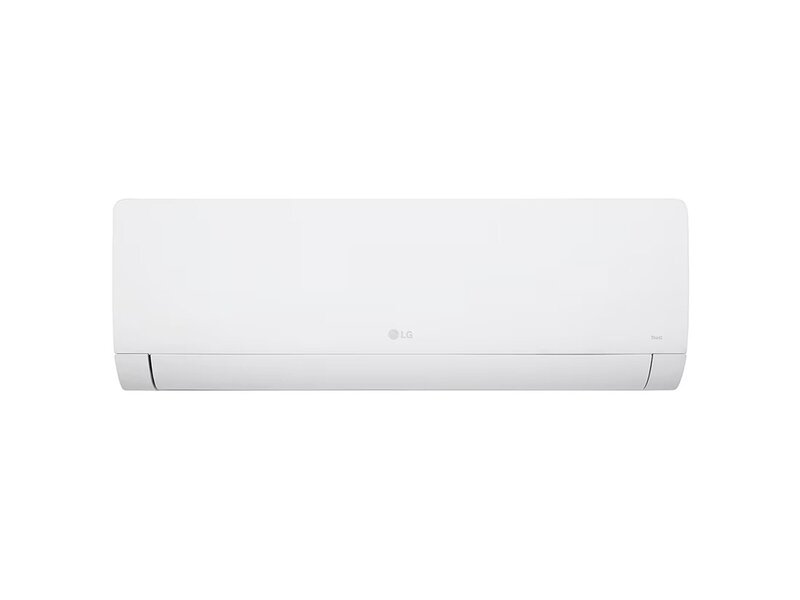
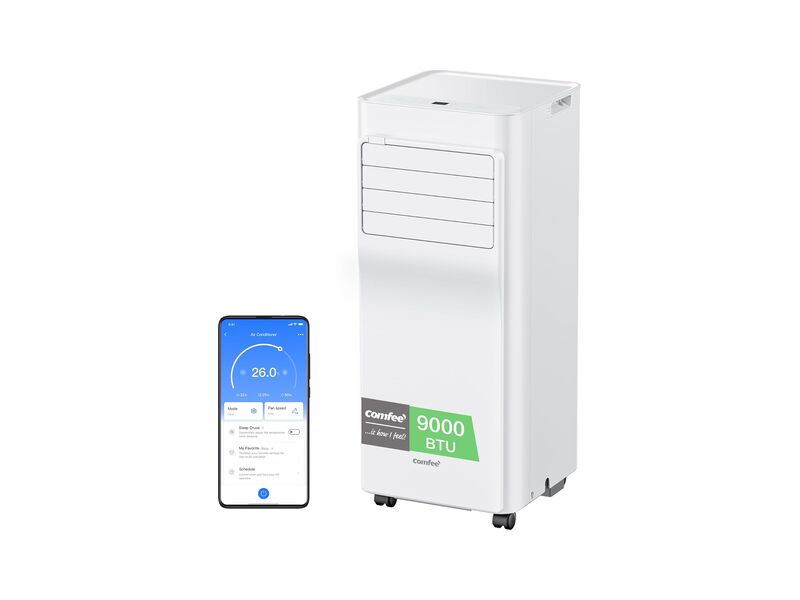
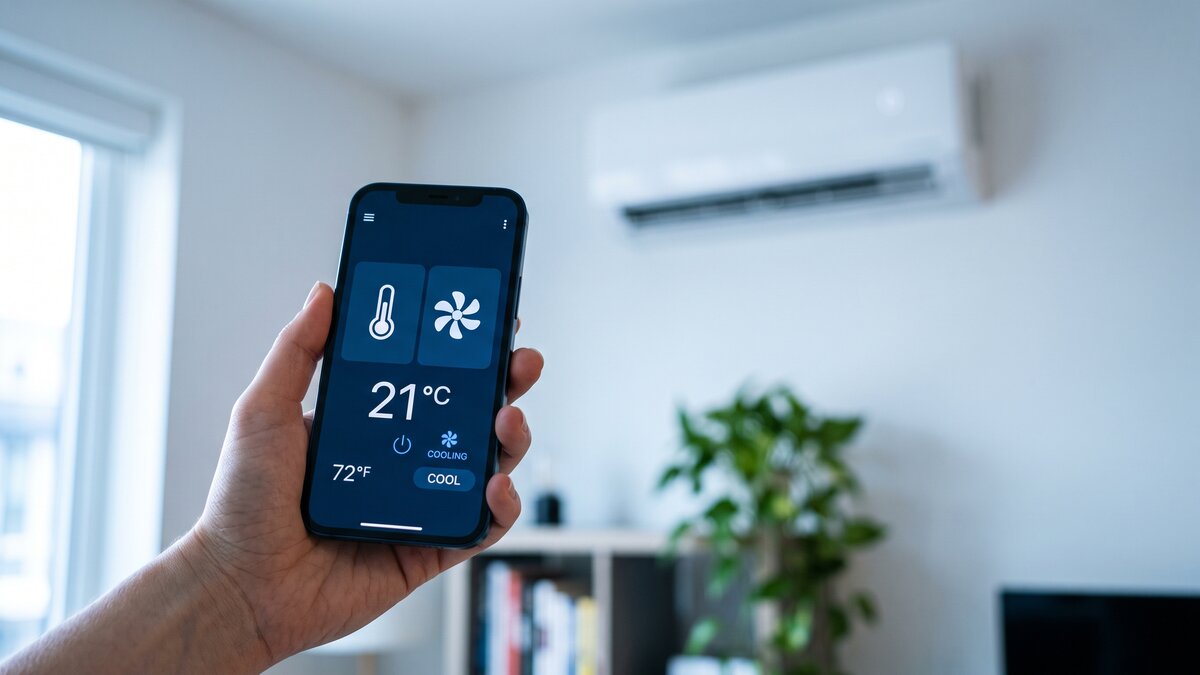
| Connected (WiFi + app) | Remote control, scheduling, alerts. The appliance executes commands, it neither perceives nor anticipates anything on its own. | Comfee Breezy Cool 2.6 (MSmart Home app, Alexa, Google Home), LG Libero WZ09 (WiFi + LG ThinQ app, geolocation-based pre-cooling) |
| Sensor-automated | An onboard sensor (temperature, humidity) adjusts a simple setpoint on its own, with no notion of who is present or usage context. | Most Digital Inverter air conditioners and fridges with standard electronic regulation |
| Embedded AI (2026) | Presence/activity detection via radar, learning the household's actual habits, natural-language dialogue, anticipatory decisions (pre-cooling, sleep-based adjustment). | Samsung Bespoke AI WindFree Pro, next-gen LG SIGNATURE |
The real difference lies in the data being used. A classic thermostat reacts to a single variable, ambient temperature. A radar sensor or a language model processes a richer context: who is there, since when, when the fridge will likely be opened next. It is this jump in the scale of data, not simply having an app, that justifies calling it artificial intelligence rather than connectivity.
Is it worth paying for AI right now?
These features remain, for now, limited to both manufacturers' premium ranges, with pricing to match. Three benchmarks to help decide whether the premium makes sense for your household.
- Presence radar has a genuinely measurable benefit for a room whose occupancy changes often (a shared living room, a shared office), less so for a bedroom with fixed occupancy where a classic sleep mode already does the job.
- A fridge's predictive pre-cooling pays off mostly in a household with very regular schedules; an irregular household will get less benefit, as the algorithm needs repeated patterns to anticipate correctly.
- A conversational assistant is primarily a usability feature, not a performance criterion: it changes neither the energy class nor the appliance's actual storage capacity.
The market has already begun trickling this down at the first layer, app-based connectivity: the Comfee Breezy Cool 2.6, sold under £260, already offers app control and voice-assistant compatibility. The next layer, radar detection and natural-language dialogue, should follow the same path over the coming years, much like inverter compressors or WiFi did before it.