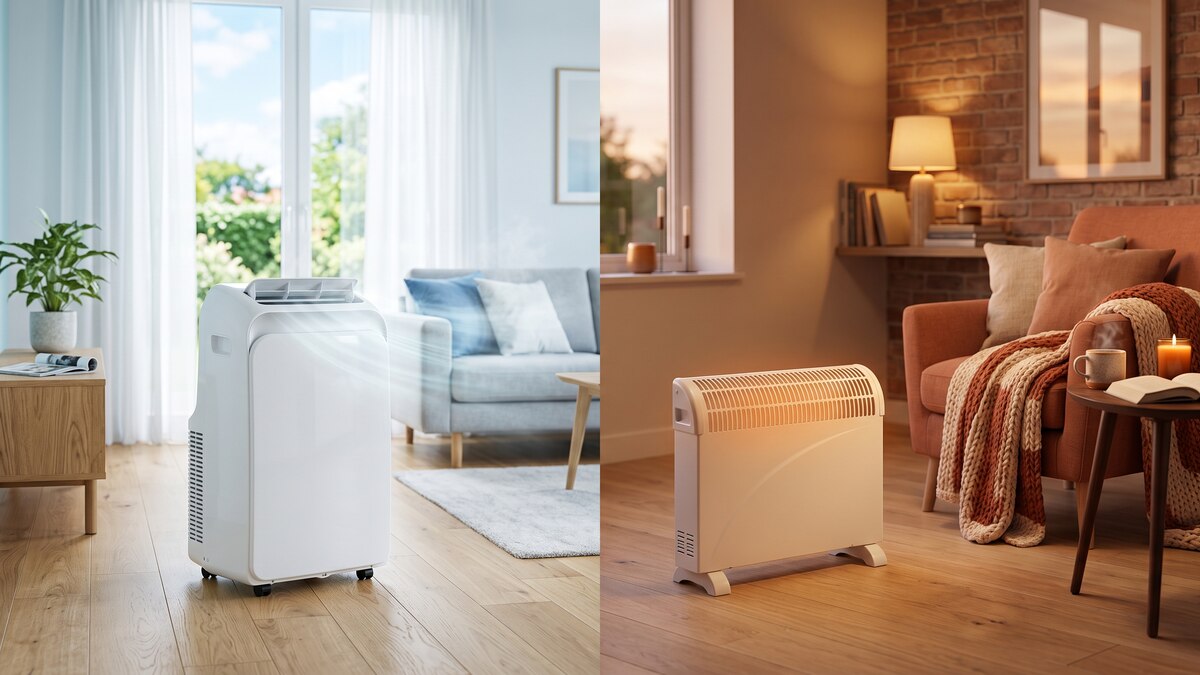
Two very different ways of warming the same room
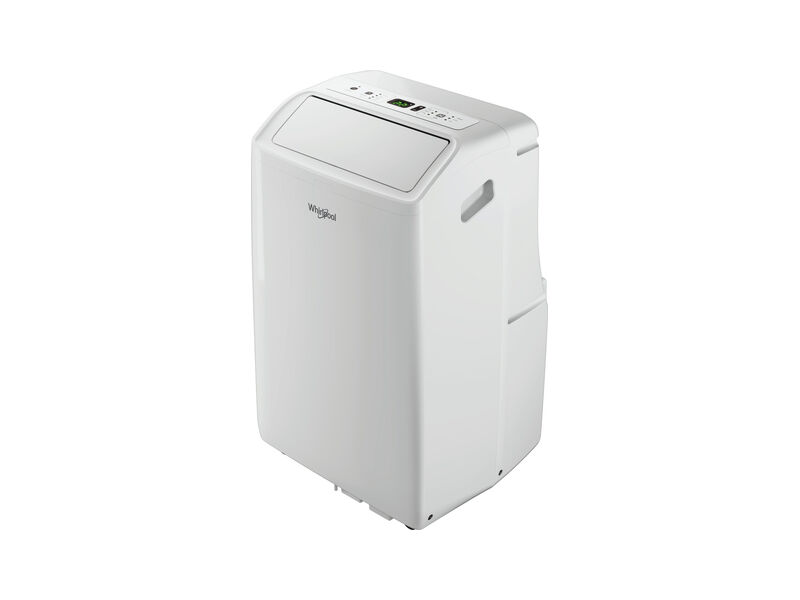
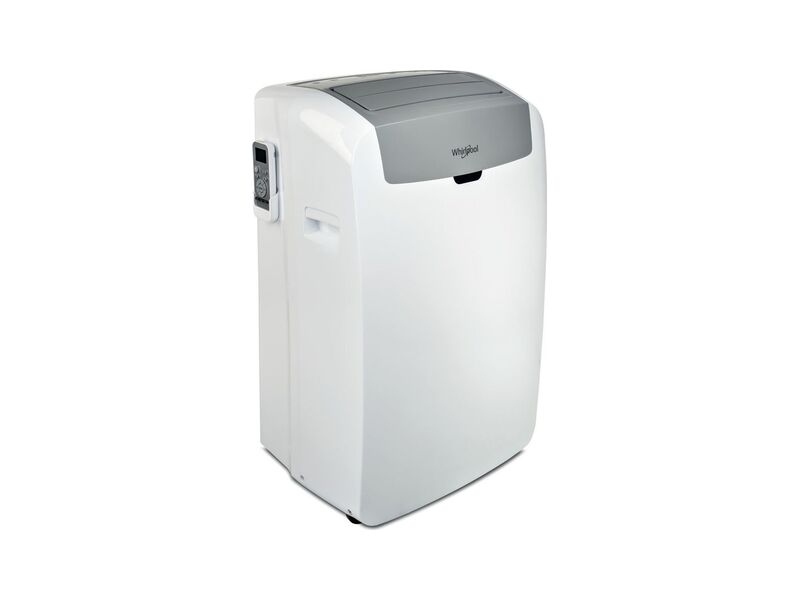
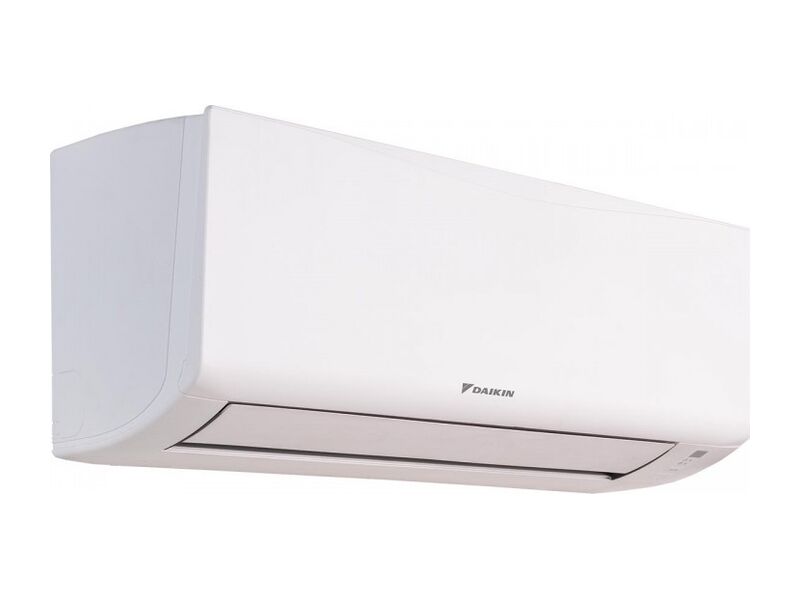
A reversible air conditioner works as an air-to-air heat pump. In summer, it pulls heat out of indoor air and releases it outside. In winter, it simply runs the cycle in reverse, drawing heat energy from the outside air, even when it's cold out, and releasing it indoors. One appliance covers both seasons.
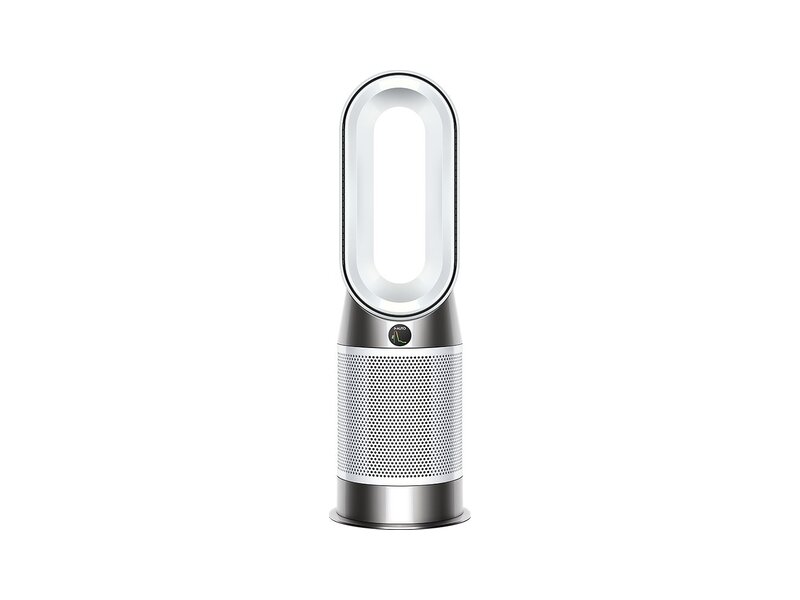
An electric heater (convector, panel heater, fan heater or oil-filled radiator) does one thing only: it converts electricity directly into heat through resistive heating, the same basic principle as a kettle element. There's no cooling mode at all: it's a pure heating tool, built for winter and nothing else.
Which one actually heats better?
The efficiency gap between the two is substantial. A classic electric heater runs close to 100% efficiency, but it can never beat that: for every 1 kWh of electricity it draws, it gives back at most 1 kWh of heat, a hard physical ceiling.
A reversible air conditioner doesn't generate heat, it moves it, using a compressor. Its coefficient of performance (COP) typically sits between 3 and 4: for every 1 kWh drawn, it delivers 3 to 4 kWh of heat indoors. In practical terms, heating a room costs 3 to 4 times less in electricity with a reversible air conditioner than with an electric heater, for the same comfort.
That advantage shrinks in very cold weather: below roughly -5 °C to -10 °C, depending on the model, the compressor loses efficiency and triggers defrost cycles that temporarily lower the COP. Across most of the UK and Western Europe, that threshold is rarely crossed for more than a handful of days each winter.
What about cooling in summer?
An electric heater simply has no cooling function: once summer arrives, it goes back in the cupboard until autumn. It's a single-season appliance by design.
A reversible air conditioner turns back into an ordinary air conditioner as soon as the warm weather sets in: it pulls heat out of the room and releases it outside, exactly like a non-reversible unit. For a deeper look at efficiency differences between portable and fixed units, see our portable or fixed air conditioner comparison. Browse our air conditioner range to compare available reversible models.
Purchase price and running costs
An electric heater wins easily on purchase price: expect roughly £20 to £90 for a convector or fan heater, up to around £130 for a higher-quality oil-filled or ceramic model. No installation needed, just plug it in and move it wherever you like.
A reversible air conditioner costs considerably more upfront: from around £350 to £800 for a portable unit, and £1,000 to £2,200 fitted for a fixed split system, which requires a certified engineer to handle the refrigerant. That higher purchase price is usually recovered fairly quickly through running costs: over a full winter of regular heating in a living room, the electricity saved by choosing a reversible unit can add up to several hundred pounds.
Noise and everyday comfort
A convector or oil-filled electric heater is essentially silent, with no fan or moving parts. A fan heater, on the other hand, sounds a lot like a small hairdryer running continuously, typically between 50 and 60 dB(A).
A portable reversible air conditioner houses its compressor right in the room, with noise levels generally between 50 and 65 dB(A), a constant background hum over time. A fixed split system moves that compressor outdoors: the indoor unit, reduced to a simple fan, often drops below 26 dB(A), a very different level of comfort.
Side-by-side comparison
| Criterion | Electric heater | Reversible air conditioner |
|---|---|---|
| Functions | Heating only | Heating AND cooling |
| Efficiency / COP | Close to 1 (resistive heating) | 3 to 4 (heat pump) |
| Purchase price | £20 to £130 | £350 to £2,200 depending on type |
| Winter running cost | High for the same comfort | 3 to 4 times cheaper |
| Noise level | Silent to 60 dB(A) depending on model | 19 to 65 dB(A) depending on portable or fixed |
| Best suited to | Occasional heating, small rooms | Regular use, all year round |
Which one fits your situation?
For occasional heating of a small room (a morning warm-up in the bathroom, an infrequently used home office), or to top up a main heating system that falls short on a few very cold days, an electric heater remains the simplest choice: low upfront cost, no installation, easy to store the rest of the year.
For regular use in a living room across several months, or to replace two seasonal appliances with one, a reversible air conditioner becomes far more cost-effective over time: a higher upfront investment, comfortably offset by lower electricity use for heating and by the cooling function it offers as soon as warm weather arrives.