Air Purifier: Our Picks and Buying Guide

An air purifier captures dust, pollen, fine particles and odours using a HEPA filter, often paired with activated carbon, for noticeably easier breathing indoors.

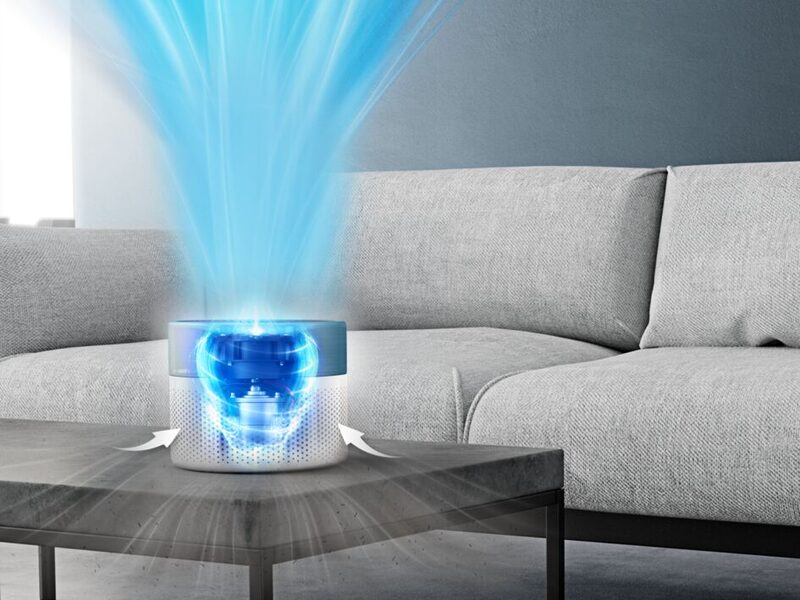
An air purifier works through mechanical suction: an internal fan draws room air through one or more filters, which physically trap airborne particles before returning purified air to the room. Unlike a plain fan, it doesn't just move air around, it actually changes its composition, an effect most noticeable with continuous rather than occasional use.

The first criterion to check is the purified air flow, often listed as CADR (Clean Air Delivery Rate) and expressed in m³/h. Measured against the size of the room being treated, this figure determines how quickly the air actually gets refreshed: an undersized unit for the room will run permanently at full power, noisier and less effective than a correctly sized model that can cope at a moderate speed. As a rule, a generous CADR relative to the stated coverage is preferable to a unit that's only just sufficient.

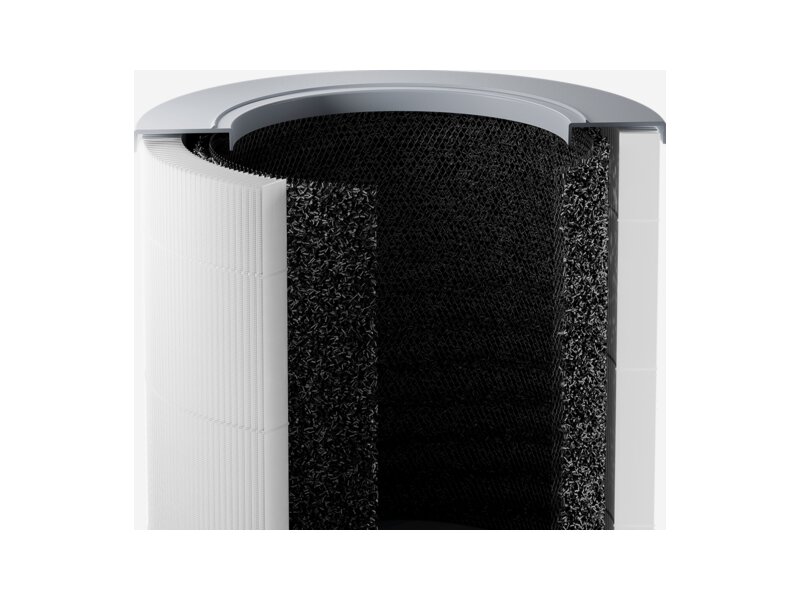
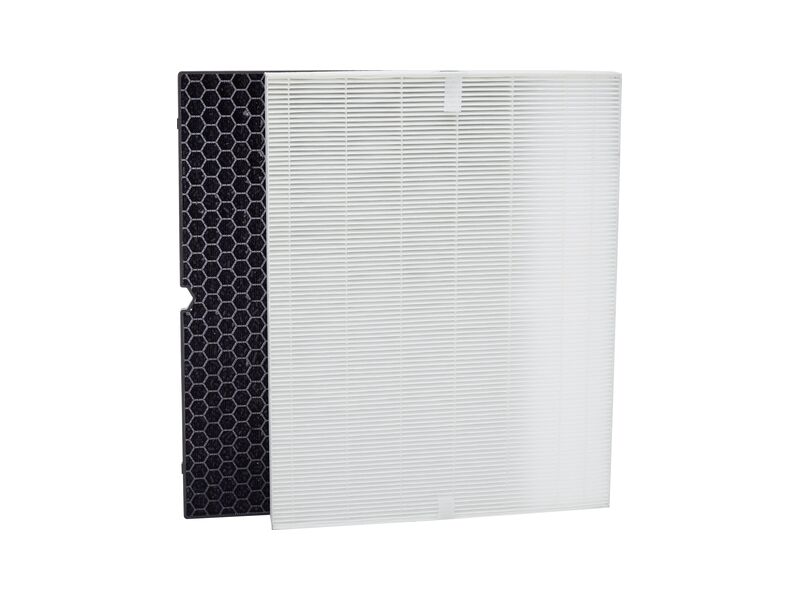
The second key point is the type of filtration. A genuine HEPA filter (H13 at minimum) captures at least 99.95% of particles down to 0.3 microns, including pollen, dust mites and much of fine particulate matter. An activated carbon filter, often added on top, targets odours and certain volatile organic compounds instead, without acting on solid particles. Ionisation or plasma technologies, sometimes marketed as a bonus, remain more debated and don't replace genuine HEPA filtration.

Noise level deserves particular attention if the unit is meant to run at night or in a bedroom: above 40-45 dB(A), the disturbance becomes noticeable. More and more models offer a dedicated night mode, which lowers speed (and therefore flow) in exchange for near-silent operation. Remote control via an app, automatic air quality detection, or a built-in fine particle sensor are welcome comfort features, without being essential.

Our selection below covers different formats and budgets, from compact purifiers for a bedroom or office to premium models capable of treating a large living room, including the best-selling connected references on the market.

No product matches these criteria.

Our selection

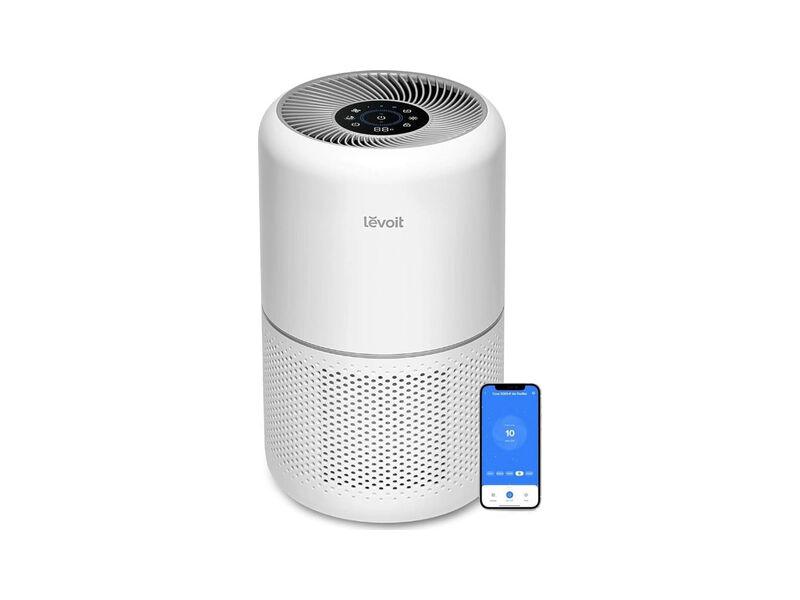
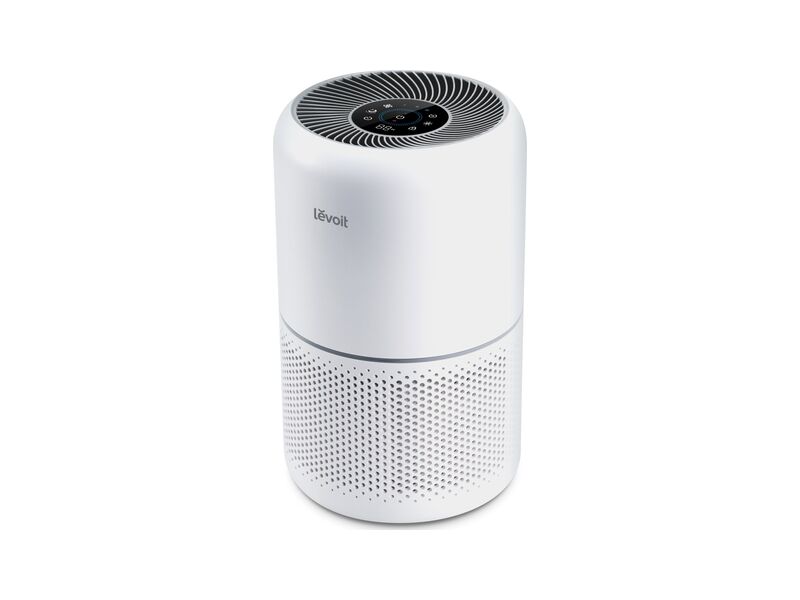
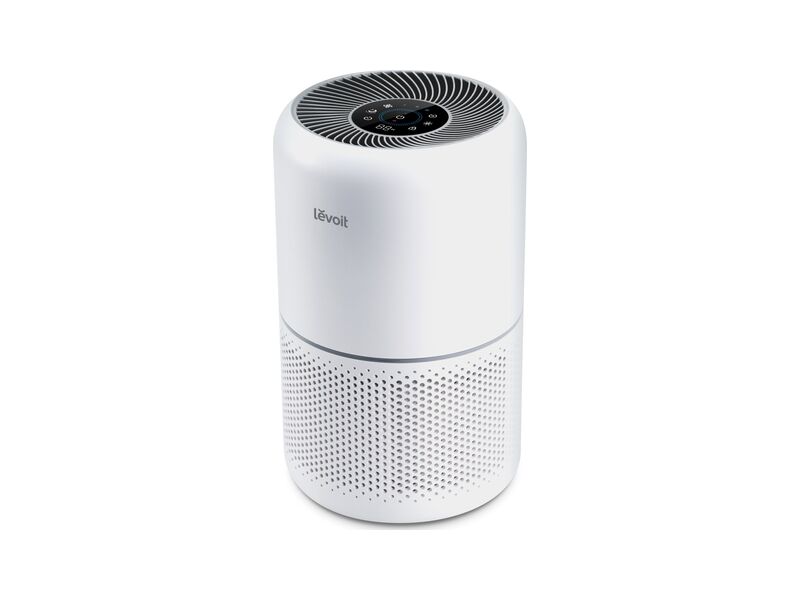
Levoit Core 200S

Check price and availability (78)

Levoit's best-seller filters 99.97% of fine particles with its HEPA H13 filter, staying almost silent at night: the go-to budget pick for the bedroom.

  • Coverage area : Up to 35 m²
  • Filtration : HEPA H13 + activated carbon (3 stages)
  • Noise level : 24 dB on Sleep Mode
  • Remote control via the VeSync app, works with Alexa
The Levoit Core 200S is a compact air purifier built for bedrooms and small spaces up to 35 m². Its three-stage filtration (nylon pre-filter, HEPA H13, activated carbon) captures 99.97% of fine particles down to 0.3 microns, along with dust, pollen, pet hair and odours. Sleep Mode at 24 dB makes it nearly inaudible overnight, while the touch display and VeSync app add timers, a night light and remote control, with Alexa and Google Assistant compatibility.
I set it up in a 16 m² bedroom facing a fairly busy street, for several weeks. On Sleep Mode, the background hum almost disappears (24 dB): you forget it's even running once you're in bed, a real step up from older, much louder units. On speeds 2 and 3, you can feel the air freshening up within twenty minutes or so, a genuine help during pollen season. The VeSync app worked flawlessly for scheduling and tracking filter life, with a handy replacement reminder (expect 6 to 8 months depending on use). What's clearly missing at this price is a built-in air quality sensor: there's no objective way to check real-time performance, you're relying on how the room feels. The night light is a nice touch for a child's bedroom, and thankfully it can be switched off for anyone bothered by the faintest glow. For a bedroom or small office up to 35 m², it's a safe, no-surprises pick with a modest running cost.
See the product page

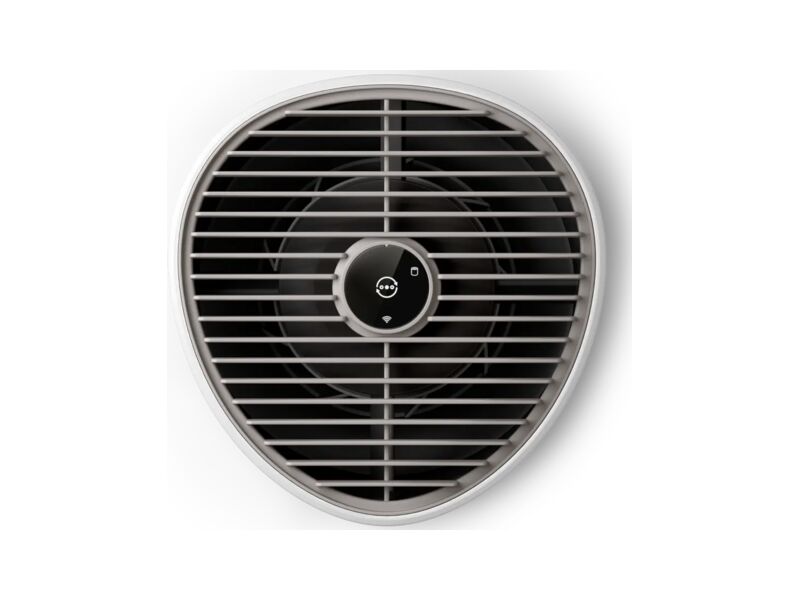
Xiaomi Smart Air Purifier 4 Compact

Check price and availability (21)

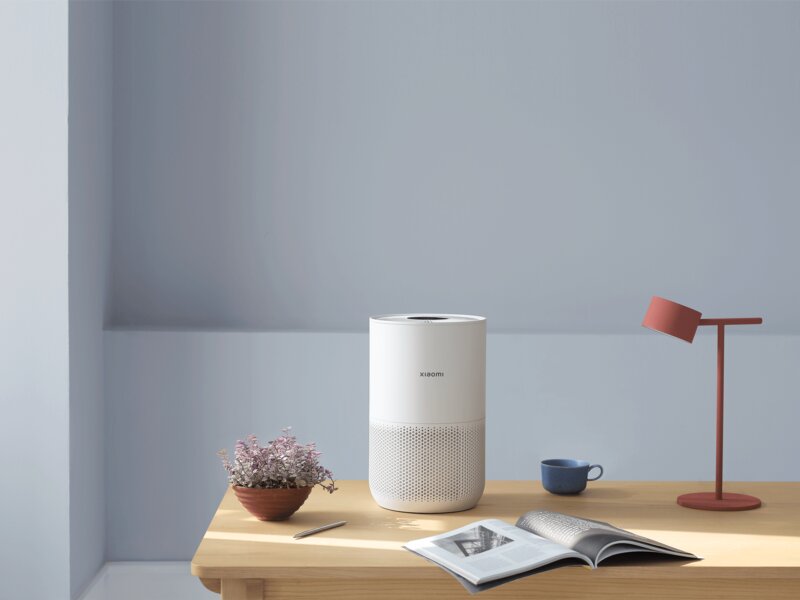
Compact and nearly silent (20 dB in sleep mode), it traps 99.97% of particles down to 0.3 microns with a 3-in-1 filter certified TÜV Rheinland Allergy Care.

  • Coverage area : 16 to 27 m² (up to 48 m² for upkeep)
  • Purified air flow (CADR) : 230 m³/h
  • Noise level : 20 dB in sleep mode
  • Certified TÜV Rheinland Allergy Care against allergens
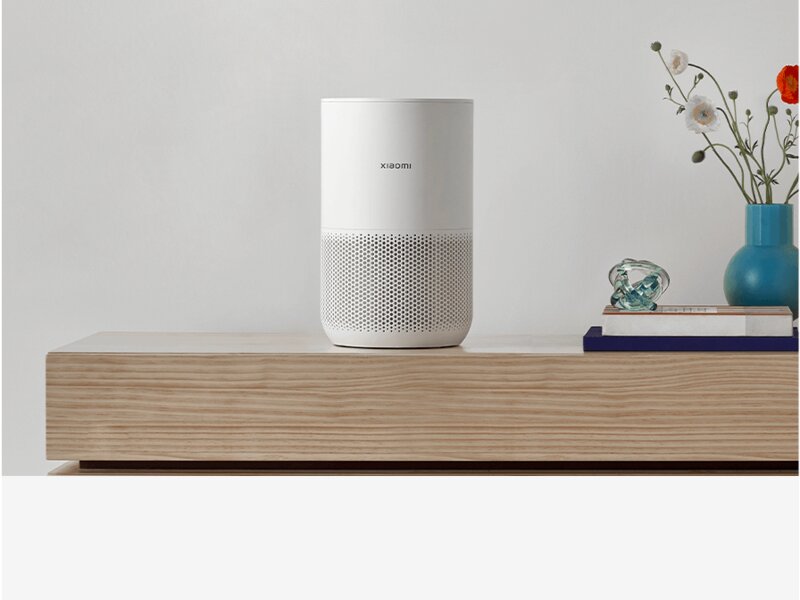
The Xiaomi Smart Air Purifier 4 Compact is a connected, cylindrical air purifier built for a bedroom or office up to 27 m² (48 m² for light upkeep). Its 3-in-1 filter (pre-filter, electrostatic high-efficiency filter and activated carbon) captures 99.97% of particles down to 0.3 microns: pollen, dust, pet dander, smoke and odours. Certified TÜV Rheinland Allergy Care, it drops to 20 dB in sleep mode and is controlled from the Xiaomi Home app or by voice (Google Assistant, Amazon Alexa).
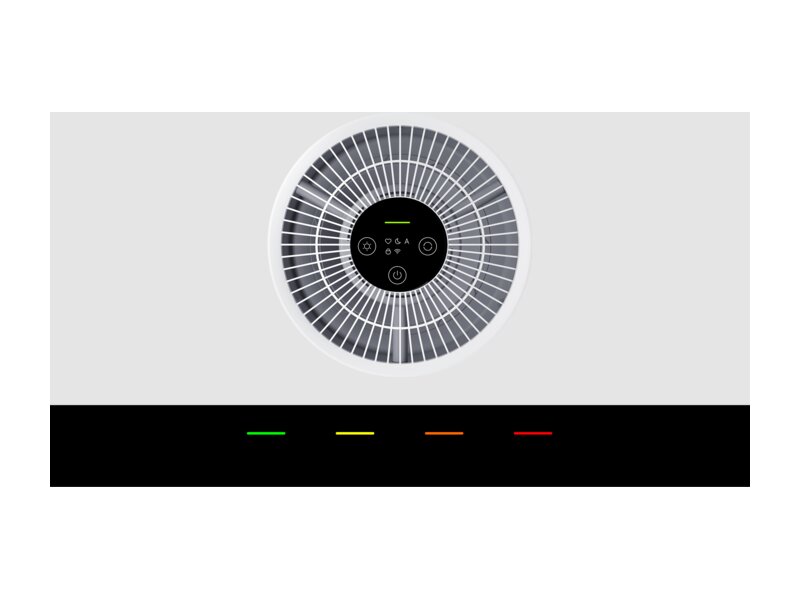
I ran the Smart Air Purifier 4 Compact in a 14 m² bedroom, and it faded into the background from the first night: in auto mode it stays close to inaudible and adjusts its own fan speed based on the measured air quality, shown at a glance through the 4-colour light on top. What surprised me most was how quickly it reacts: a few minutes after striking a match right in front of the intake, the light dropped back from red to green. Changing the filter, recommended every 6 to 12 months, is genuinely simple: twist the base and pull out the whole cartridge, no loose foam or carbon to handle. Two honest gripes: the power button stays faintly lit even in night mode, a small piece of tape sorts that out, and in a room of 25 m² or more, it is better run continuously than relied on for short bursts. For a bedroom, home office or small living space, this is a serious little machine, easy to live with day to day and light on the electricity bill.
See the product page

Rowenta PU1520F0

Check price and availability (5)

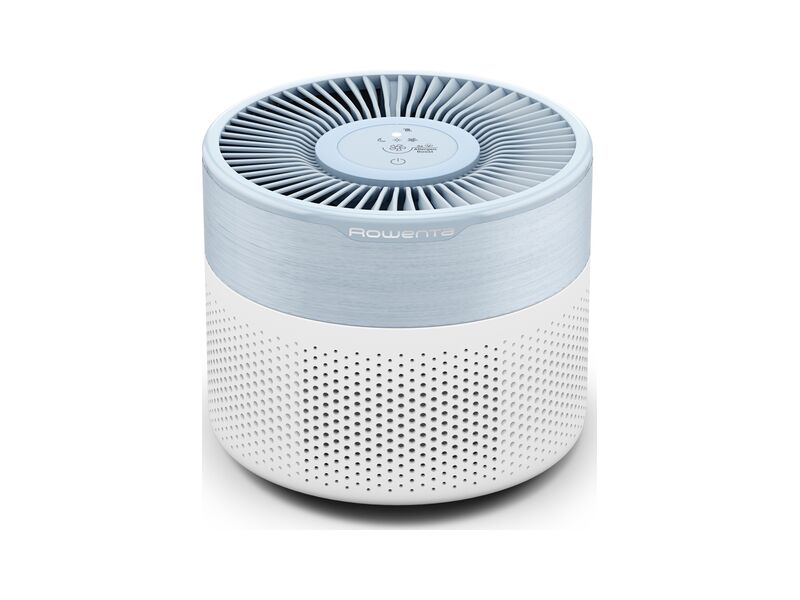
Ultra-compact and quiet down to 21.5 dB, the Rowenta Pure Air Mini efficiently filters the air of a bedroom or office up to 22 sqm.

  • Coverage area : Up to 22 sqm, 85 m3/h Clean Air Delivery Rate
  • Filtration : 3-in-1: pre-filter, activated carbon and HEPA Allergy+
  • Noise level : 21.5 dB(A) in Night mode, ultra-quiet
  • Ultra-compact 1.3 kg design, easy to carry from room to room
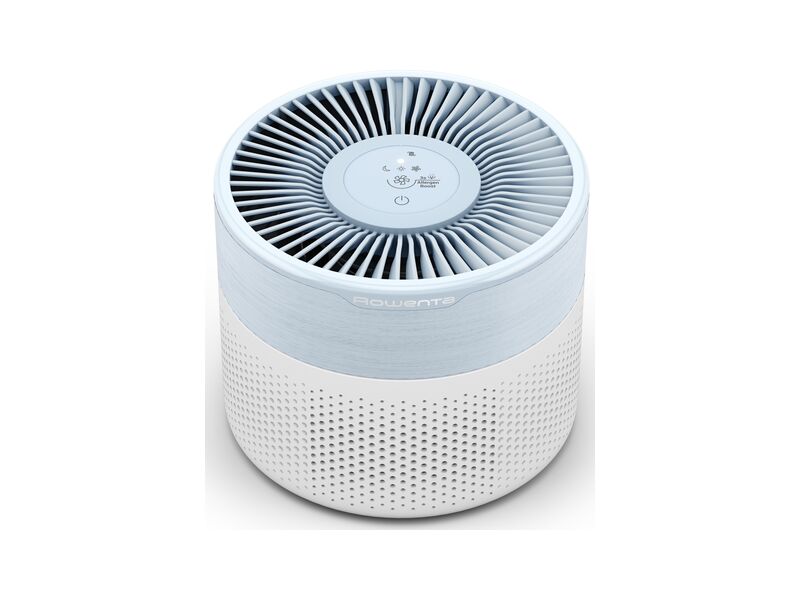
The Rowenta Pure Air Mini PU1520 is an ultra-compact air purifier designed for rooms up to 22 sqm, with a Clean Air Delivery Rate (CADR) of 85 m3/h. Its 3-in-1 filter (pre-filter, activated carbon and HEPA Allergy+) captures up to 100% of allergens, 99.9% of fine particles and 99.99% of airborne viruses. Night mode stays under 21.5 dB(A), and its Allergen Boost mode targets pollen peaks. Lightweight at 1.3 kg, it moves easily from room to room.
Set on the bedside table for several weeks, this Pure Air Mini first had to prove itself on the point that mattered most to me: noise in Night mode. Verdict: once the display goes dark, I genuinely stop hearing it, even with the door closed, a real strength against bulkier units that hum constantly. On efficiency, the difference shows most after a big clean or with windows shut for days: the air feels fresher, and cooking smells from the next room fade noticeably faster than usual. Allergen Boost mode, tested during a pollen peak, runs its eight-hour cycle without needing a second thought. Two honest caveats: the stated 22 sqm coverage suits a bedroom or office, not an open-plan living room. And the filter, not washable, needs replacing after about a year of regular use, a recurring cost to budget for. For its size and hush, this Pure Air Mini remains one of the most convincing compact purifiers I have tested at this price: I recommend it without hesitation for a bedroom or a home office.
See the product page

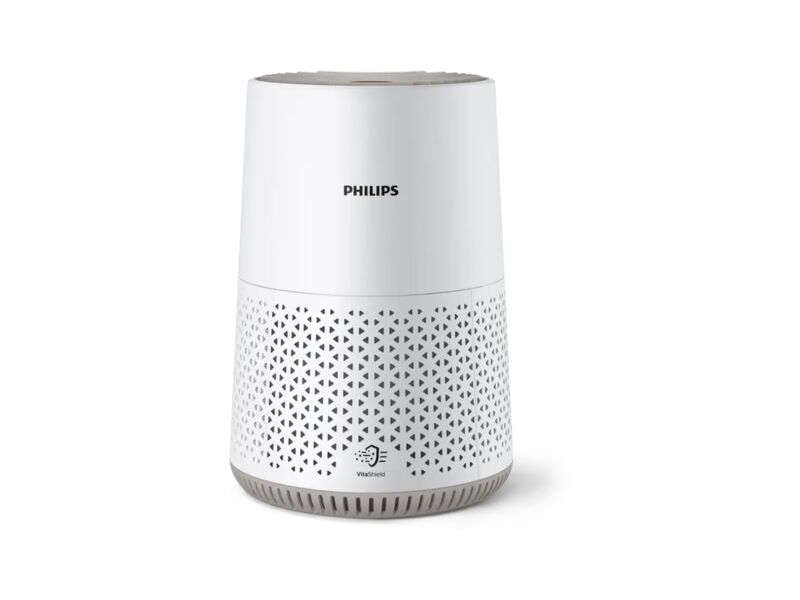
Philips Series 600i AC0650/10

Check price and availability (31)

Compact and energy efficient, the Philips AC0650/10 cleans rooms up to 44 m² thanks to its HEPA NanoProtect filter and Air+ app.

  • Coverage area : Up to 44 m²
  • Purified air flow (CADR) : 170 m³/h
  • Filtration : HEPA NanoProtect, 99.97% of particles at 0.003 microns
  • Sleep mode runs at just 19 dB, quieter than a whisper
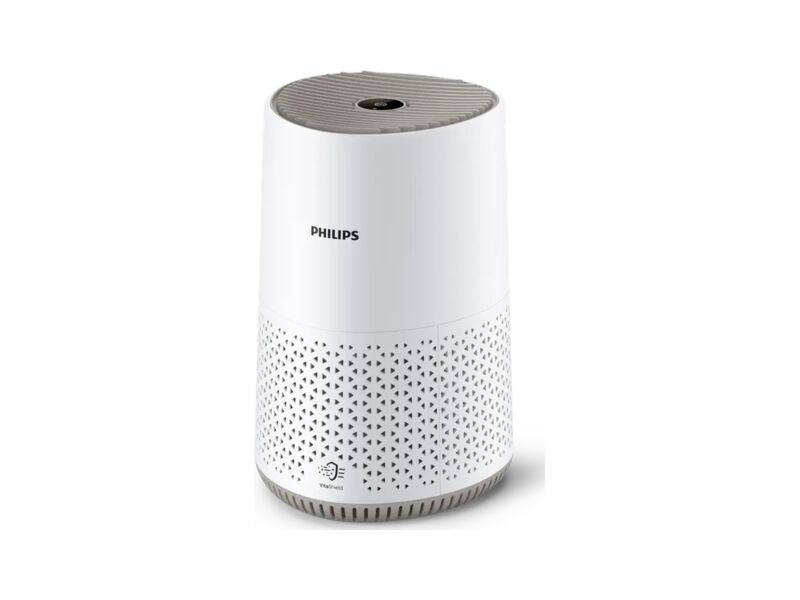
The Philips 600i Series AC0650/10 is a compact air purifier built for rooms up to 44 m². Its electrostatically charged HEPA NanoProtect filter captures 99.97% of particles down to 0.003 microns, with a CADR of 170 m³/h. Controlled from the touchscreen or the Philips Air+ app, it offers three speeds, from a whisper quiet Sleep mode (19 dB) up to Turbo, while drawing a maximum of just 12 W.
I ran this Philips AC0650/10 on my desk for three weeks, a few metres from a window overlooking a busy street, and it settled in fast. Turbo mode noticeably cuts down the dust building up on furniture within a few days of heavy use, and Sleep mode is genuinely unobtrusive at night, I could barely hear it from the next room. The Air+ app worked without a hitch, with a stable WiFi connection and a clear filter status readout. What surprised me most was the power draw, barely noticeable on my meter even running near constantly. Two honest gripes: this entry-level model has no built-in air quality sensor, so you adjust speeds manually rather than relying on an automatic mode, and the real-world coverage in a large kitchen-diner felt a touch optimistic next to the advertised 44 m². For a bedroom or a closed-off study of reasonable size, though, it remains one of the most convincing purifiers at this price point.
See the product page

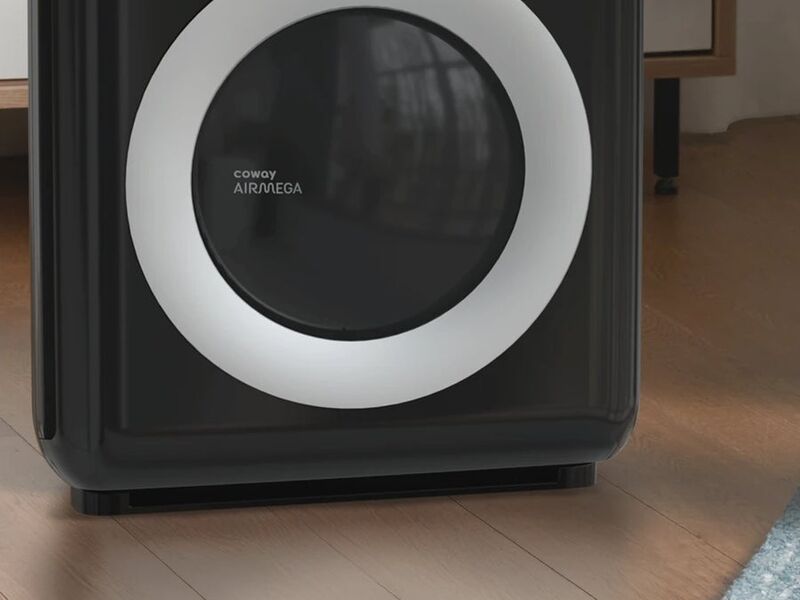
Coway Mighty AP-1512HH

Check price and availability (21)

A worldwide air purifier best-seller: the Coway Mighty AP-1512HH cleans rooms up to 109 m² thanks to its HEPA and activated carbon filtration.

  • Filtration : 4 stages: pre-filter, activated carbon, HEPA, Vital Ion ioniser
  • Air flow (CADR) : 421 m³/h, up to 109 m² recommended
  • Noise level : From 24 dB(A) on minimum speed
  • Wirecutter (NYT) pick: best air purifier 10 years running
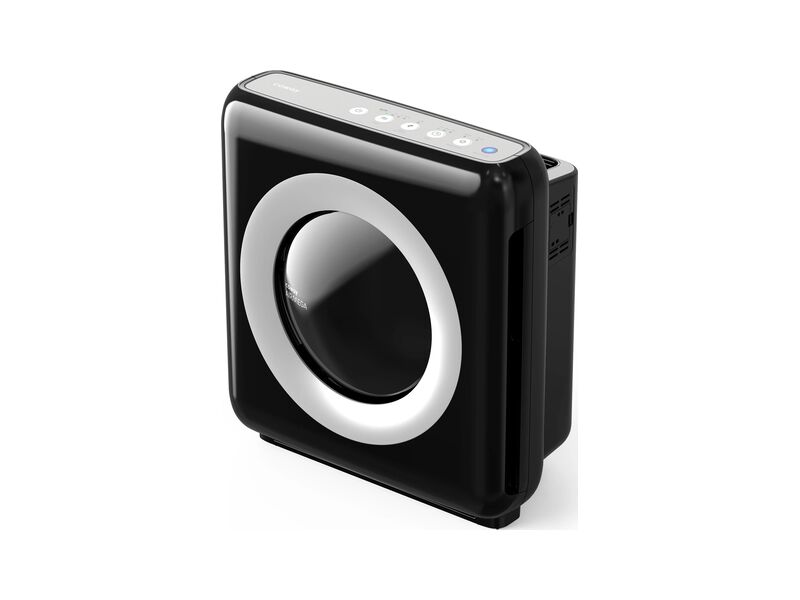
The Coway Mighty AP-1512HH is a compact air purifier that has become an international reference, named best air purifier by Wirecutter (New York Times) ten years running. Its four-stage filtration (pre-filter, activated carbon, HEPA, Vital Ion ioniser) captures up to 99.999% of ultrafine particles. With a 421 m³/h purified air flow, it covers up to 109 m² and cleans a 43 m² room in around 15 minutes. A touch panel, air quality sensor, auto mode and Eco mode round out this compact 5.6 kg unit.
We ran the Mighty AP-1512HH in a living room of about 30 m² for several weeks, sitting on the floor between the sofa and a window facing a busy street. First impression: auto mode genuinely does the job without any thought needed, speed climbs as soon as the window is opened in the morning, then eases back down within minutes once the air clears. On minimum speed the unit is nearly unnoticeable; on maximum speed, though, the airflow becomes clearly audible, best kept for occasional bursts rather than running overnight. The deodorization filter knocks down cooking smells effectively, a real plus in a living room open to the kitchen. Two drawbacks stood out after months of use: no connectivity whatsoever, you have to walk up to the unit to change a setting, and its depth, which takes up more floor space than a newer, slimmer model. For a living room or bedroom exposed to urban pollution or pollen, it still stands out as one of the most dependable purifiers we have tested, and its international reputation is clearly well earned.
See the product page

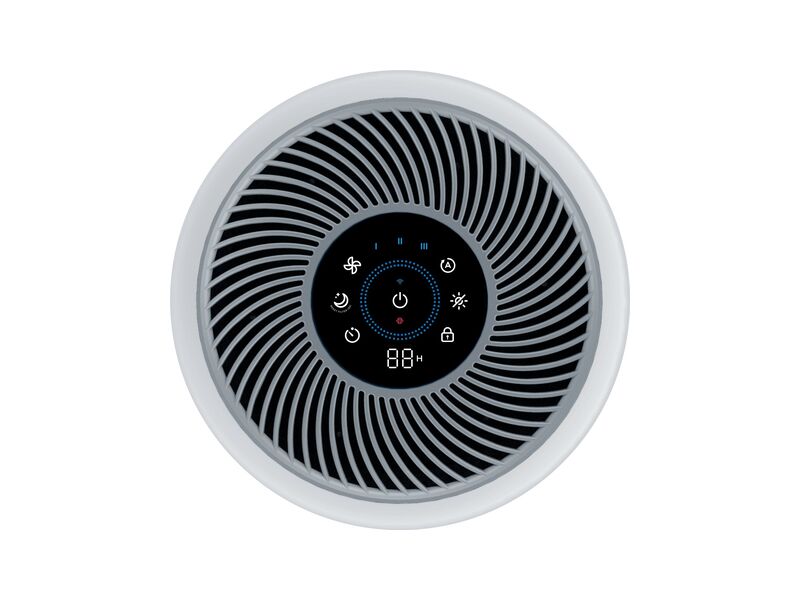
Levoit Core 300S

Check price and availability (11)

Compact and connected, the Levoit Core 300S filters your bedroom's air with a true HEPA H13 filter and adjusts its own speed thanks to its air quality sensor.

  • Filtration : 3 stages: pre-filter, HEPA H13, activated carbon
  • Air flow (CADR) : 240 m³/h, up to 50 m² recommended
  • Noise level : 22 dB in sleep mode
  • AirSight sensor: adjusts fan speed to the real air quality
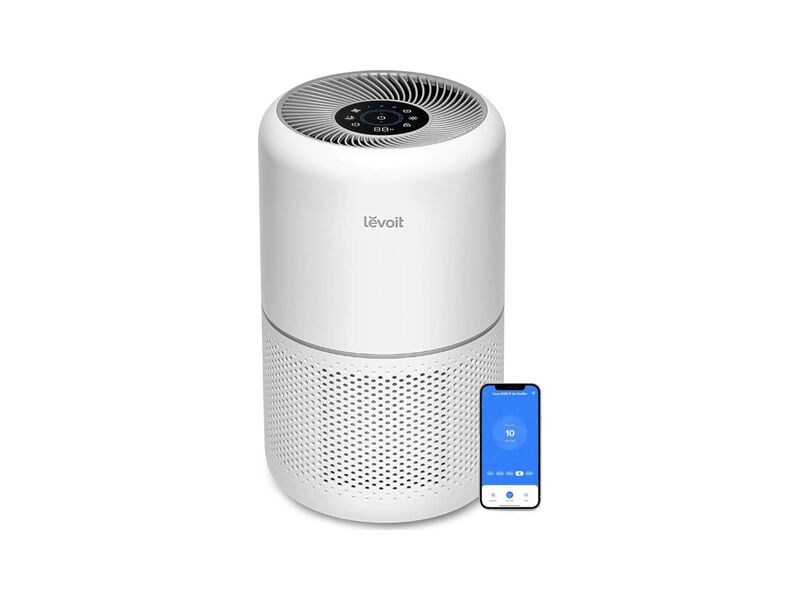
The Levoit Core 300S is a compact air purifier with three-stage filtration (pre-filter, HEPA H13, activated carbon) that captures dust, pollen, pet dander and odours. Its AirSight sensor measures air quality in real time and automatically adjusts fan speed. With a 240 m³/h CADR for a recommended coverage of 50 m², it suits a medium-sized bedroom or living room. Controllable from the VeSync app or by voice (Alexa, Google Assistant), it drops to 22 dB in sleep mode.
I ran the Core 300S in a bedroom of about 16 m² for several weeks, sitting on the floor near the bed. First impression: it is genuinely unobtrusive, both in size, barely taller than a small bin, and in noise, close to inaudible overnight on sleep mode. The AirSight sensor does its job without any thought needed: open a window onto a busy street or cook with the door open, and the light ring turns orange while the fan speed climbs on its own, then settles back down within minutes. The VeSync app is easy to pick up, with a timer and a filter-life tracker that is genuinely useful so you do not forget to replace it. Over the weeks, two real drawbacks stood out: the HEPA H13 filter cannot be washed and gets pricey to replace if you stick to the recommended interval, and at maximum speed the fan noise becomes noticeably more present, best kept for occasional bursts rather than continuous use. For a medium-sized bedroom or home office, it still stands out as one of the best-balanced purifiers in its price bracket.
See the product page

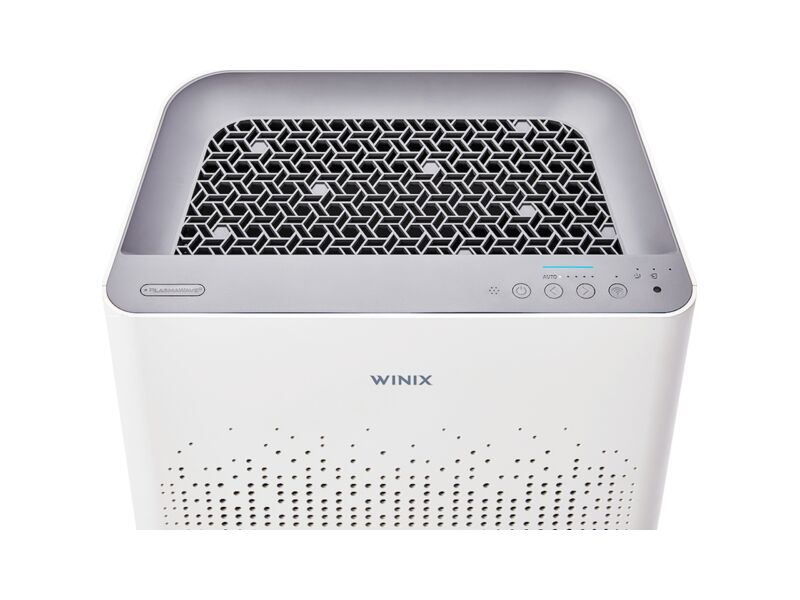
Winix Zero-S

Check price and availability (11)

A premium 410 m³/h air purifier with HEPA H13 filtration, activated carbon and PlasmaWave technology, built to clean the air in rooms up to 100 m².

  • Air flow (CADR) : 410 m³/h, up to 100 m²
  • Filtration : 4 stages: HEPA H13 + activated carbon + PlasmaWave
  • Noise level : From 27 dB(A) in sleep mode
  • Auto Mode: adjusts fan speed on its own based on air quality
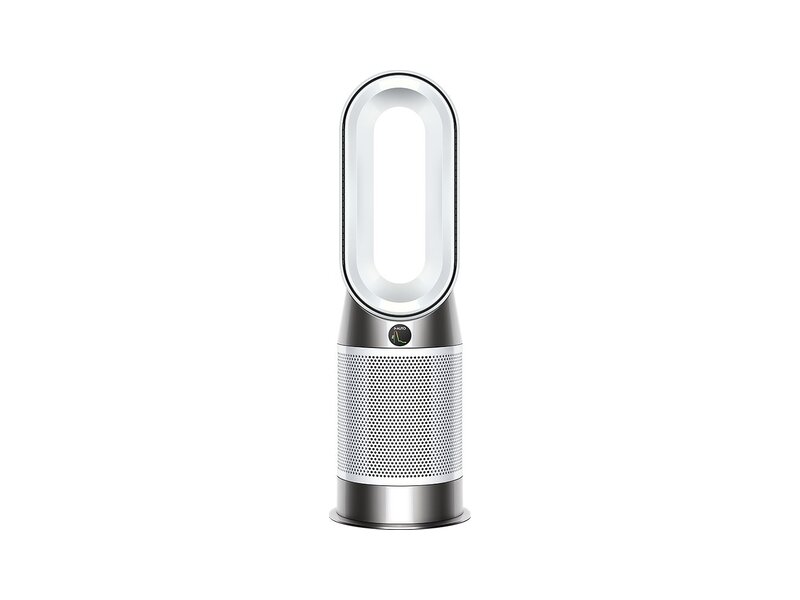
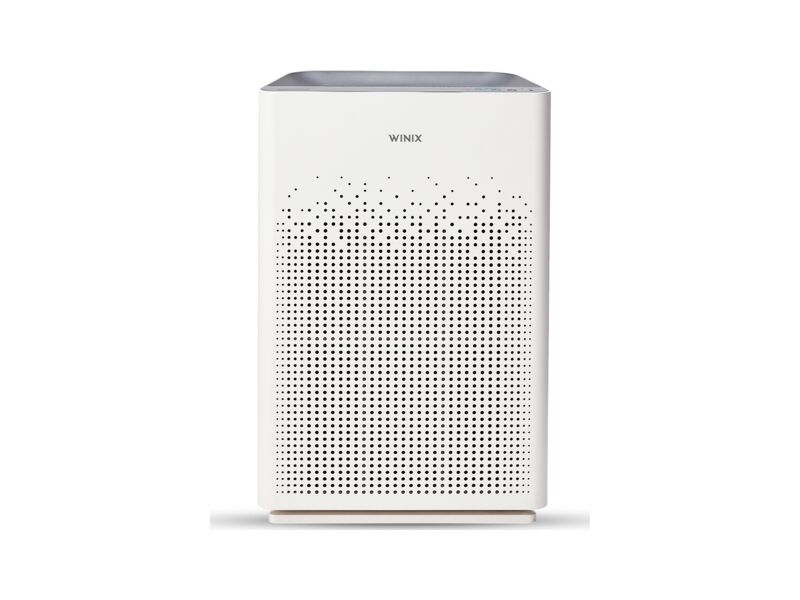
The Winix Zero-S is a powerful air purifier built for large rooms up to 100 m². Its four-stage filtration combines a washable pre-filter, activated carbon, a true HEPA H13 filter (99.999%) and PlasmaWave technology, which neutralises viruses and bacteria without releasing ozone. The built-in PM2.5 sensor automatically adjusts fan speed to the measured air quality, and sleep mode lowers noise down to 27 dB(A). A touch panel, timer and filter-change indicator round out this ECARF and Allergy UK certified unit.
I set the Zero-S up in a 28 m² open-plan living room, the kind of space where cooking smells tend to linger. Within the first week the difference was clear: no more fried-food smell hanging around an hour after dinner, the carbon filter is clearly doing its job. On Auto mode the unit stays discreet most of the time, only ramping up when I'm cooking or coming back in after a walk with the windows left open. At night it's practically inaudible, sleep mode makes it disappear almost completely, lights included. Two things stood out as less convincing. First, the size: at 60 cm tall it takes up real floor space, not a minor detail in a small living room. Second, the yearly filter budget, which needs planning if you want to keep filtration at its best. For a large living space or a bedroom exposed to seasonal pollen, it remains one of the most convincing air purifiers I've tested this year.
See the product page

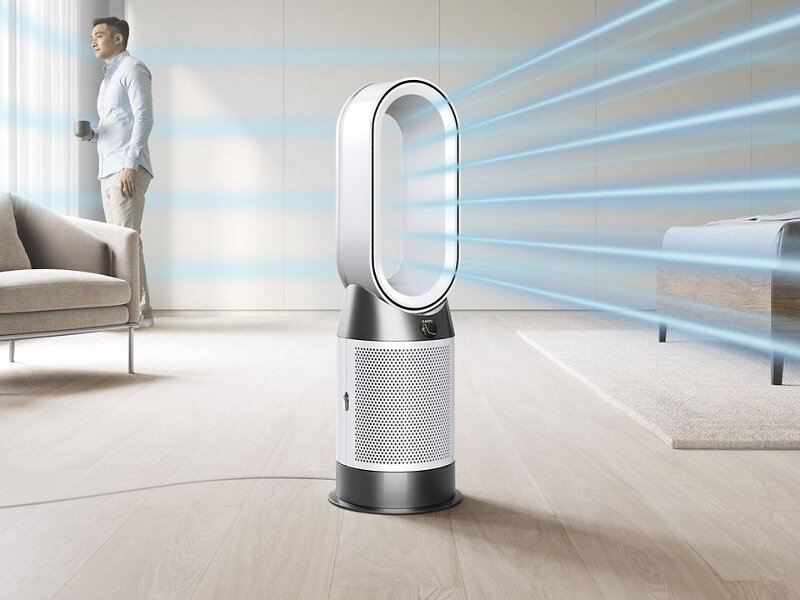
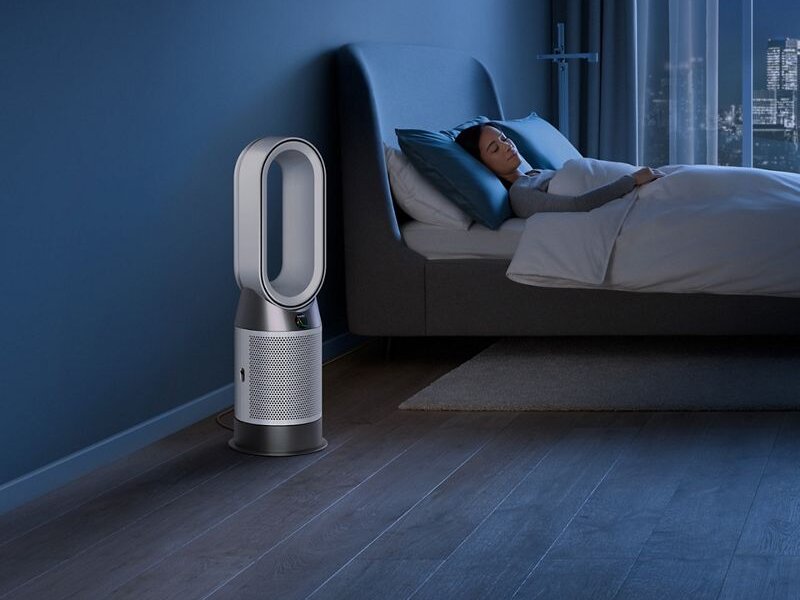
Dyson Purifier Hot+Cool HP1

Check price and availability (6)

Three appliances in one: a HEPA H13 air purifier, an Air Multiplier fan and a ceramic heater, controlled from the MyDyson app or the remote.

  • Filtration : Sealed HEPA H13 + activated carbon, 99.95% down to 0.1 microns
  • Functions : 3-in-1: air purifier, fan and heater
  • Coverage area : Up to 27 m² (290 sq ft)
  • Purifies, cools and heats: 3 appliances in one unit
The Dyson Purifier Hot+Cool HP1 combines a HEPA H13 and activated carbon air purifier, an Air Multiplier fan and a ceramic-plate heater. It captures 99.95% of particles down to 0.1 microns, covers up to 27 m² (290 sq ft) and is controlled via remote or the MyDyson app, compatible with Amazon Alexa, Google Assistant and Siri. Oscillation up to 350°, a night mode 50% quieter, and an Auto mode that adjusts airflow based on real-time air quality readings.
We set up the Dyson HP1 in a living room of about twenty square metres for a full winter, curious to see whether it could genuinely replace a space heater, a fan and an air purifier all at once. On heating, the result is clear: the ceramic plates raise the perceived temperature within minutes, and the built-in thermostat stops the unit running once the set temperature is reached. On purification, Auto mode is genuinely convincing: the display shows fine particle levels dropping live after an evening of cooking or a window left open onto the street. Night mode stays discreet and doesn't disturb sleep, which isn't the case at maximum setting, where the airflow becomes clearly audible, closer to a hairdryer than a whisper. Summer cooling does the job of a decent fan without ever turning into an air conditioner, a distinction worth keeping in mind on a proper heatwave day. What's left is the price, high for a unit that remains, at its core, a purifier with extras: but for anyone who genuinely wants a single object to leave in a room all year round, warm, cool, air purified, the trade-off feels fair to us.
See the product page

← Back to Air Quality

Related questions

Go by the CADR (purified air flow) rather than the coverage figure alone, which manufacturers often state optimistically. In practice, a unit sized for the room's actual area (not the maximum stated coverage) will treat the air more effectively and more quietly, without needing to run permanently at full power.

A HEPA filter targets solid particles (dust, pollen, dust mites, fine particulates), while activated carbon targets odours and certain volatile compounds instead. For general use (allergies, air quality), a HEPA H13 filter is enough. For a kitchen, a home near a busy road, or sensitivity to smells, a combined HEPA plus activated carbon filter is preferable.

No: most home units draw between 20 and 60 W in normal operation, comparable to a light bulb or a small fan, even running continuously. Consumption mainly rises at full power on larger units or in automatic mode facing a sudden spike in pollution.

For normal home use, expect roughly 6 to 12 months for a HEPA filter, a bit less for activated carbon, which saturates faster against odours. The actual frequency depends on ambient pollution (city living, pets, nearby building work): most units display a wear indicator, which remains the most reliable guide.

Yes, the two functions complement each other: an air conditioner or fan acts on temperature or air movement, while a purifier acts on cleanliness, unrelated to how warm the air feels. Both units can run at the same time without interference, each handling a different aspect of indoor comfort.