Two technologies, two physical principles
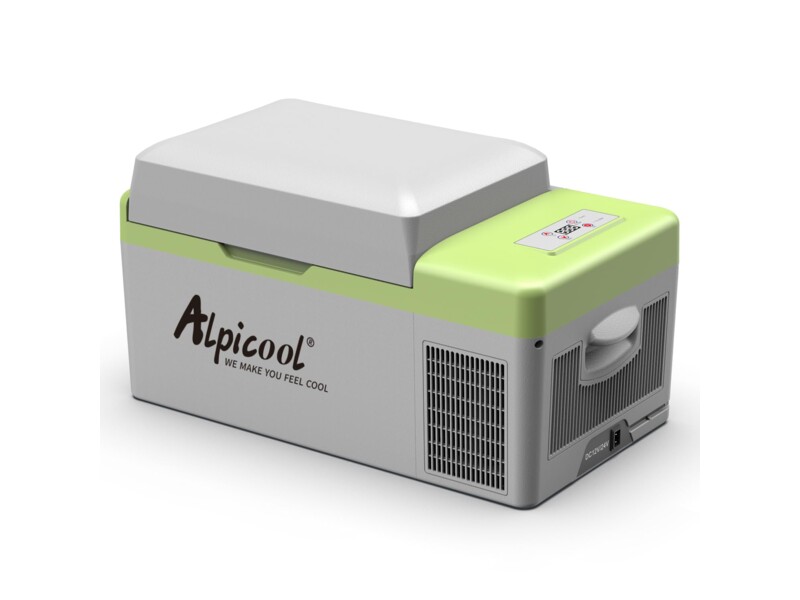
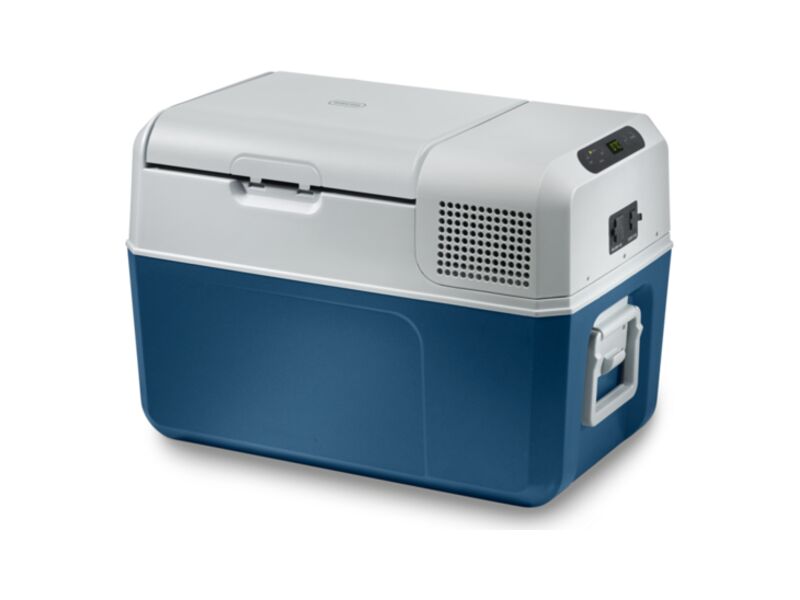
The term "electric cooler" actually covers two radically different technologies, with neither the same performance nor the same price. A compressor cooler houses a real compressor (often a well-known unit such as a Danfoss/Secop BD35 or BD50) that circulates a refrigerant gas through a closed circuit, exactly like a standard fridge or freezer. This thermodynamic cycle actively extracts heat from the inside and releases it outside, allowing it to reach very low temperatures regardless of how hot it is outside.
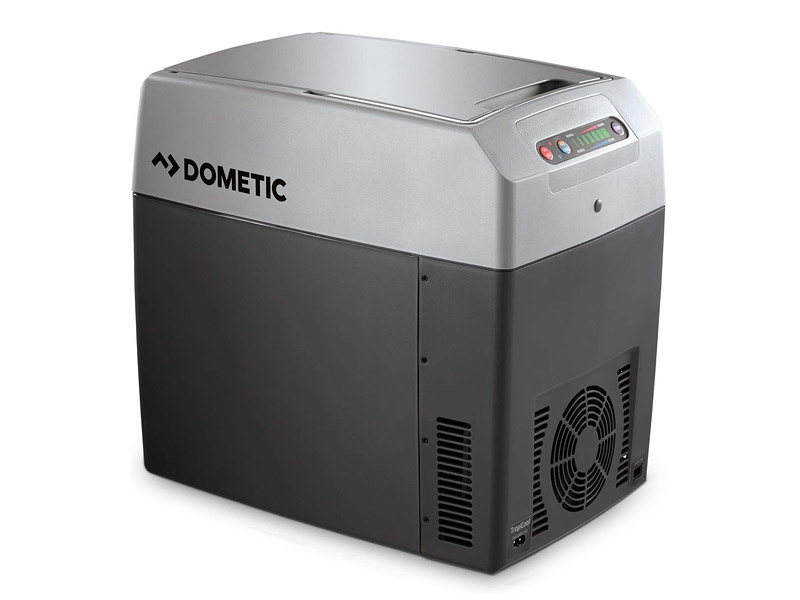
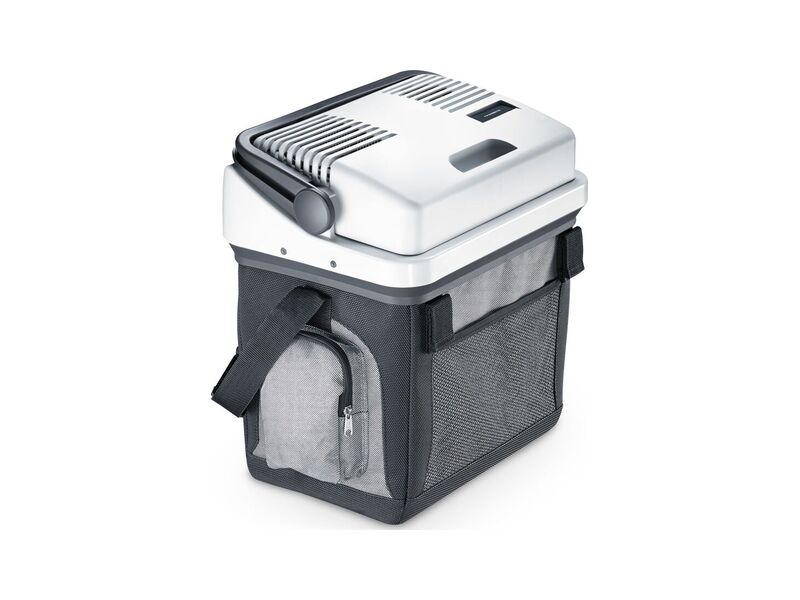
A thermoelectric cooler, on the other hand, works through the Peltier effect: an electric current runs through a semiconductor module that creates a temperature gap between its two sides, a cold one (facing the interior) and a hot one (facing outside, dissipated by a fan). No gas, no complex moving parts: it's simple, light and quiet, but physics imposes a clear limit, the temperature gap a Peltier module can create always stays proportional to the starting ambient temperature.
The temperature reached: the criterion that decides everything
This is THE main divide between the two technologies. A compressor cooler commonly reaches -18 °C, -20 °C, even -25 °C depending on the model, which means it can genuinely freeze food or transport frozen goods over several days. It reaches and holds its set temperature no matter how hot it is outside, 25 °C or 40 °C barely change its cooling capacity.
A thermoelectric cooler, meanwhile, can only cool to around 18 °C below ambient temperature, never freeze. On a pleasant 20 °C day, it can therefore reach around 2 to 4 °C, a decent result. But during a heatwave at 35 °C, it will plateau around 17 to 18 °C inside, a temperature far too high to safely keep meat, fish or dairy products over time. Our range of coolers always states the technology and the minimum temperature announced by the manufacturer for each model.
Power draw and battery runtime
A compressor cooler works in cycles: the compressor runs until it reaches the set temperature, then switches off, before starting again once the temperature drifts back up slightly. Its average power draw over a full day is therefore often lower than you'd expect, despite a higher current draw at start-up, which makes it a good choice for extended use on a motorhome or camper van battery, provided a low-voltage cut-off protects the battery.
A thermoelectric cooler, by contrast, draws power continuously as long as it's plugged in: the Peltier module stays energised to maintain the temperature gap, with no on/off cycle. Over a short trip of a few hours this remains entirely reasonable, but over several consecutive days, total cumulative power draw can exceed that of a compressor cooler for a weaker cooling result.
Noise level
A clear win for thermoelectric here: with no compressor or gas circulating, only a small fan runs to dissipate heat, with a noise level generally between 20 and 30 dB(A), barely audible inside a car. That's a real argument for a cooler kept near a sleeping area, in a rooftop tent or a van.
A compressor cooler produces a more noticeable compressor hum, typically 35 to 45 dB(A), sometimes with a slight vibration transmitted to the vehicle if it isn't properly secured. Recent rotary-compressor models have made real progress here, with some high-end units now approaching thermoelectric-level quiet.
Purchase price
The mechanical simplicity of thermoelectric coolers shows directly in the price tag: these units often start around £35 to £70 for small formats, and rarely exceed £150 to £180 even for larger capacities. That's a very accessible budget for occasional use.
Compressor coolers cost noticeably more for the same capacity, due to the compressor, the refrigerant circuit and more advanced engineering: expect roughly £130 for the most compact formats and over £450 to £550 for larger or premium coolers. This price gap remains the main obstacle to buying a compressor model for occasional use.
Weight, size and sensitivity to tilting
For the same volume, a thermoelectric cooler is almost always lighter, the absence of a compressor and gas clearly reduces the overall weight. That's welcome for nomadic use where every kilo counts, whether in a backpack, on a bike or in a small vehicle.
A compressor cooler weighs more due to the compressor, but in return tolerates rough terrain and prolonged tilting far better, a real advantage on a boat or off-road. It remains advisable, though, to limit extreme, prolonged tilting on any model, to protect the compressor's lubrication over the long run.
Lifespan and reliability
The Peltier module in a thermoelectric cooler has no moving mechanical part other than the fan, making it robust to knocks and vibration. Its performance does gradually decline over repeated thermal cycles, though, with a useful lifespan typically of several years under moderate use.
The compressor in a compressor cooler, particularly well-known units on the market, has a strong reputation for reliability over many years, sometimes over a decade of regular use. The point to watch remains the refrigerant circuit: well protected, it causes no issues, but a hard knock can cause a gas leak, a repair that's then more complex and costly than simply replacing a Peltier module.
Our comparison table
| Criterion | Compressor | Thermoelectric |
|---|---|---|
| Minimum temperature | -18 °C to -25 °C | Around 18 °C below ambient |
| Effectiveness in hot weather | Stable, independent of ambient temperature | Greatly reduced above 30 °C |
| Power draw | Cyclical, more economical over time | Continuous, as long as plugged in |
| Noise level | 35 to 45 dB(A) | 20 to 30 dB(A) |
| Purchase price | £130 to £550+ | £35 to £180 |
| Weight | Heavier | Lighter |
| Lifespan | Often over 10 years | A few years under moderate use |
| Best suited for | Motorhome, van, regular use, hot climate | Occasional trips, picnics, backup car cooler |
Our recommendation by profile
For an occasional trip, a picnic, or a backup cooler kept in the boot for groceries, thermoelectric does the job perfectly at a modest price: it keeps drinks and already-cold food cool, without claiming to replace a fridge.
For motorhome or camper van use, or any regular use, especially in a hot climate or to keep sensitive food safe over several days in a row, compressor is almost always the right call: it's the only technology that can guarantee a reliable cold chain, heatwave or not.