The shift: battery brands are moving into off-grid cooling
Since 2025, a real shift has been under way in the off-grid cooling market: brands built on batteries and portable power stations, EcoFlow first, soon followed by Anker and likely Bluetti, have started making electric coolers of their own. What they share: a removable lithium iron phosphate (LFP) battery, built directly into the unit, allowing it to run on its own for anywhere from several hours to several days, with no mains, 12V or vehicle battery connection at all.
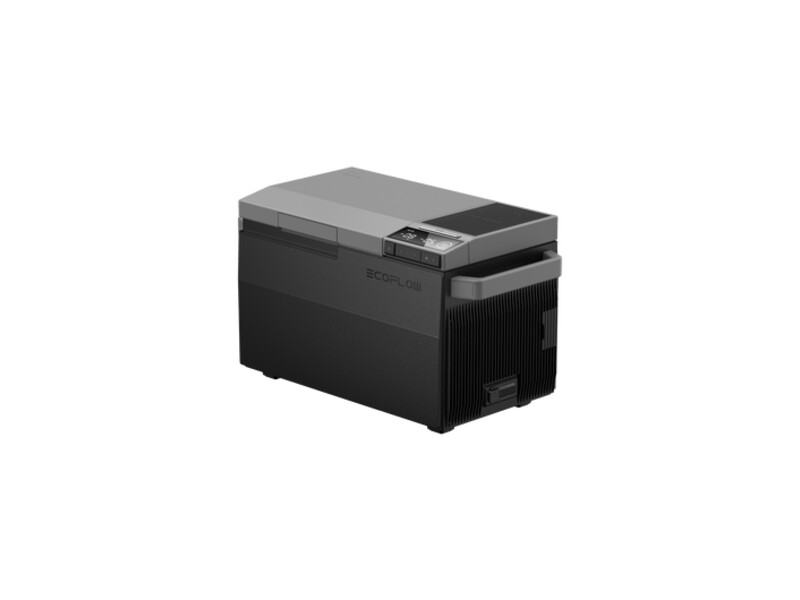
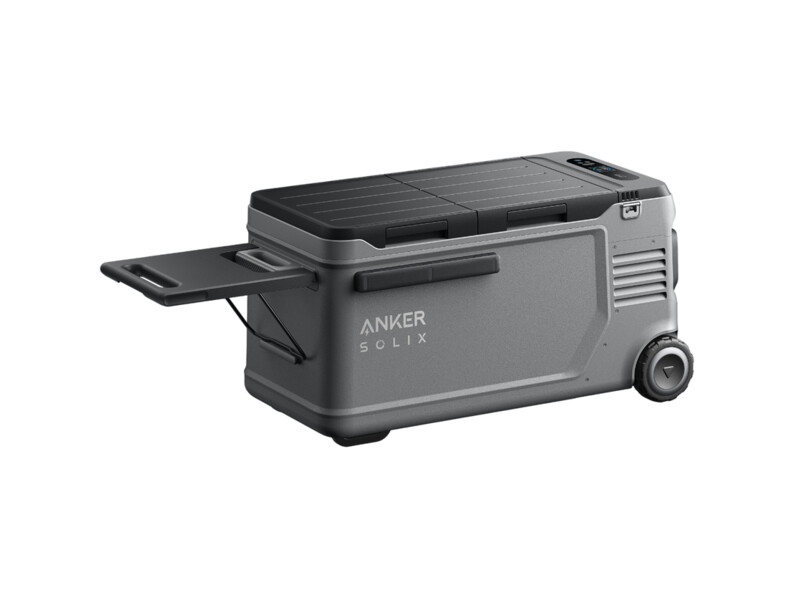
This convergence is no accident, and it says a lot about where the whole off-grid cooling category is heading next. These brands first built their reputation on managing power, power banks, portable stations, solar panels, before applying that know-how to an everyday appliance that had always lacked it: the electric cooler. Our range already lists two examples of this new generation, the EcoFlow Glacier and the Anker SOLIX EverFrost 2 58L, alongside classic compressor coolers from established names like Dometic or Engel.
Removable LFP battery or classic cooler: what's the real difference?
To understand what this change actually brings, it helps to revisit how a classic compressor cooler works. Like a household fridge, it runs a genuine compressor capable of reaching sub-zero temperatures, but it depends entirely on an external power source to run: a 230V mains socket, a car's 12V/24V socket, or an auxiliary vehicle battery. Unplugged, it stops cooling within minutes.
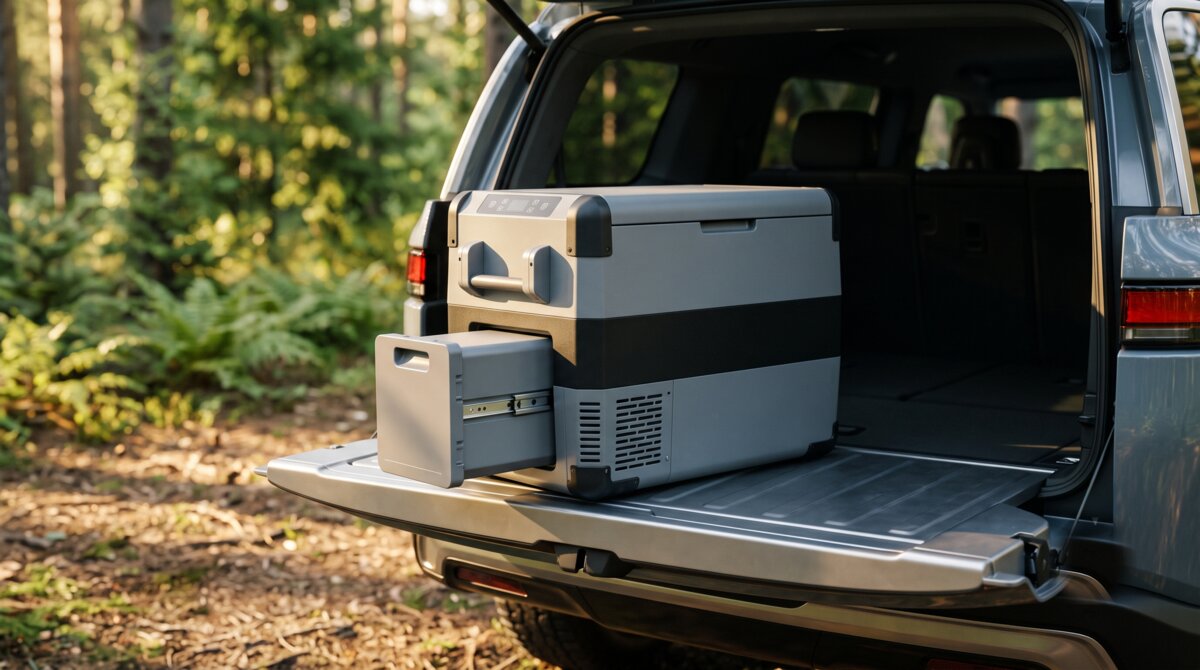
A battery-integrated cooler uses the exact same compression principle, but adds a removable lithium iron phosphate (LFP) battery, a chemistry known for its thermal stability and its tolerance to overcharging, notably safer than older lithium chemistries. That battery powers the compressor entirely on its own, then recharges from the mains, from a 12V/24V source, via a solar panel, or even USB-C depending on the model, exactly like the battery in a portable power station.
The real-world benefits, in numbers
The figures published by both manufacturers show exactly what this autonomy changes day to day.
The EcoFlow Glacier packs a removable 298 Wh battery, for a claimed run time of up to 40 hours with no connection at all. It also adds a feature never seen before on this kind of appliance, a built-in ice maker capable of producing 18 ice cubes in around 12 minutes, and drops down to -25 °C across its two independently adjustable zones.
The Anker SOLIX EverFrost 2 58L goes further on run time: its removable 288 Wh LFP battery already delivers 39 hours of standalone use, but it can be expanded with a second battery, pushing total run time up to 3.2 days. Three modes, Max, Smart and Eco, let you balance cooling speed against energy saving depending on the situation.
Beyond the headline numbers, the most tangible benefit is simply how much easier it makes things: no more needing to park near a socket, no more worrying about draining the car battery you'll need to start the engine later. The cooler becomes a genuinely standalone object, set down wherever you like, for an afternoon or an entire weekend.
The limits worth knowing before you invest
That autonomy comes at a cost, on several fronts, worth understanding before getting swept up by the marketing pitch alone.
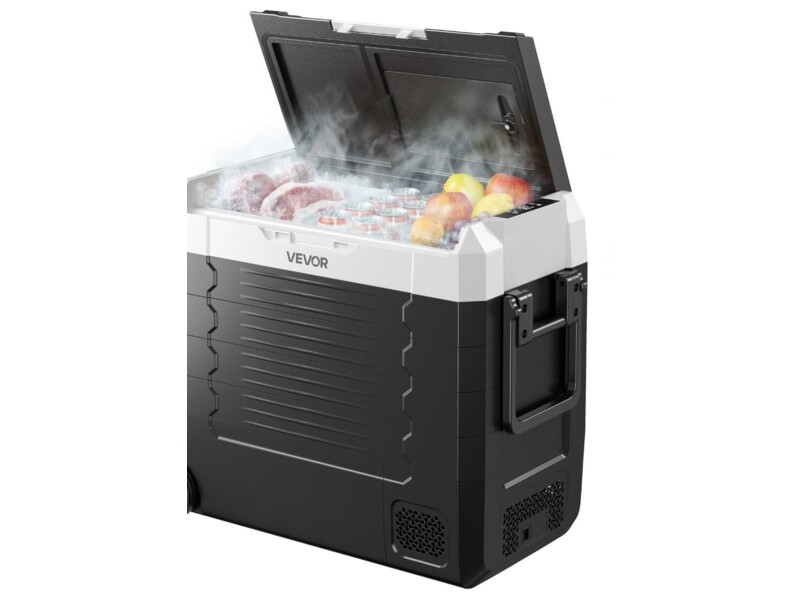
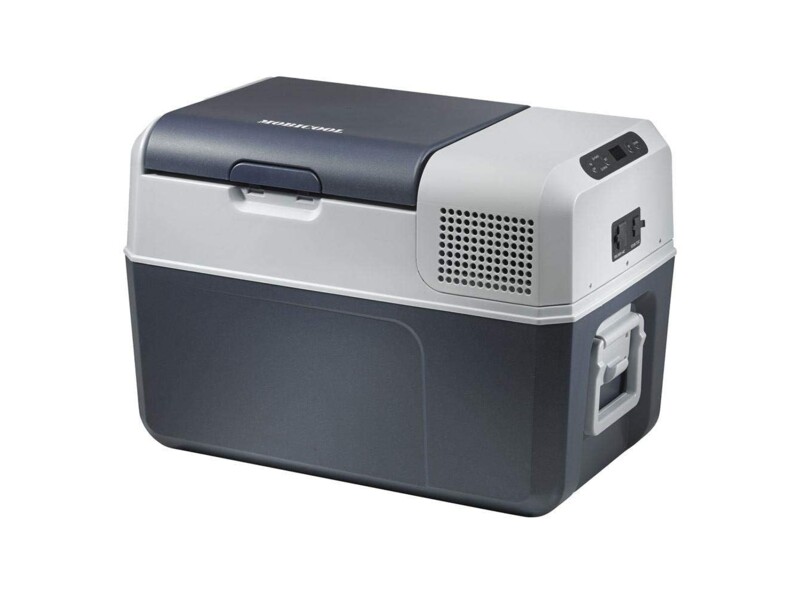
Price, first: the EcoFlow Glacier retails at £899 and the Anker EverFrost 2 58L at £1099.99, while a classic compressor cooler of comparable capacity, like the Vevor 55L (£215.90) or the Mobicool FR40 (£371.01), costs two to five times less. That gap comes largely from the cost of the LFP battery itself, which makes up a significant share of the final price.
Weight, next: the battery adds several kilos to the unit, 23 kg for the EcoFlow Glacier with its battery fitted, 28.9 kg for the Anker EverFrost 2 58L, against 11.5 to 16.75 kg for a Mobicool FR40 or Vevor 55L of similar capacity. A difference that matters the moment you have to lift it out of the boot by hand.
Finally, track record remains limited: these products are still fairly new to the market, with far fewer customer reviews than classic compressor coolers, some of which have racked up thousands of reviews over the years. Nothing alarming in itself, but a good reason to stay cautious about long-term durability claims, given the limited history so far.
Who it's genuinely for, and who's better off with a classic cooler
This full autonomy is a genuine game-changer for some specific uses, and an unnecessary luxury for others.
It becomes particularly worthwhile for camping without a vehicle nearby (a multi-day hike with a fixed base camp, tent camping on foot, festivals), power outages at home where it can temporarily stand in for a fridge for several hours, or events (an outdoor reception, a wedding, a trade show stand) with no mains socket within easy reach.
By contrast, for regular use in a converted van, a motorhome or a boat already fitted with a permanent 12V or 230V supply, a traditional compressor cooler from our compressor cooler range remains the more rational choice: cheaper, lighter, and just as capable, since it benefits from the vehicle's continuous power supply.
A trend that's likely here to stay
The convergence between battery brands and electric coolers is probably only just getting started: after EcoFlow and Anker, other names from the portable power storage world are likely to follow suit in the months ahead. One worth watching closely if you're after full energy independence without compromising on cooling performance, even if a classic compressor cooler will remain the more sensible choice for most everyday journeys.