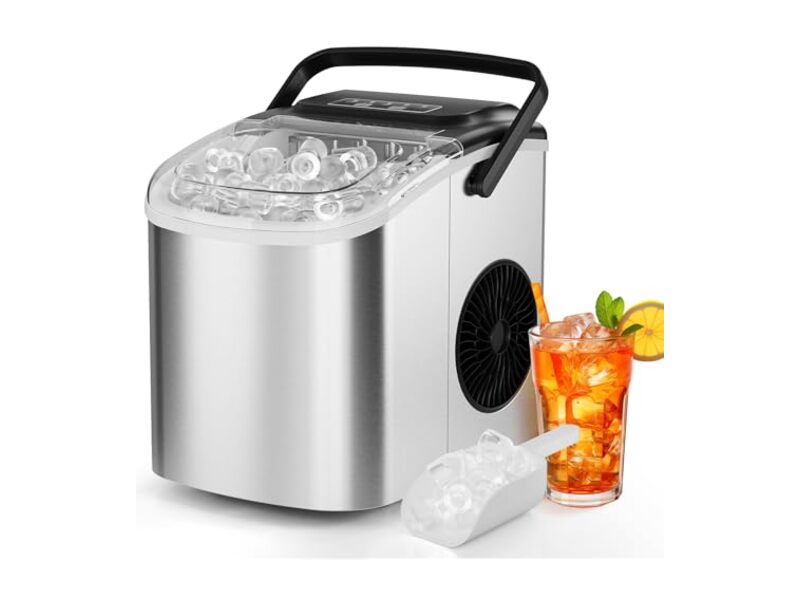
LIFERUN Ice Maker 12kg
(6 reviews)
The LIFERUN ice maker produces 9 ice cubes in 6 minutes, with a portable handle for use in the kitchen as much as camping.
Buy on AmazonAs an Amazon Associate, I earn from qualifying purchases.
Key features
- Ice production: 12 kg per 24h
- Type: Countertop ice maker, portable
- Portable, built-in handle, infrared sensor
In detail: LIFERUN Ice Maker 12kg/24h
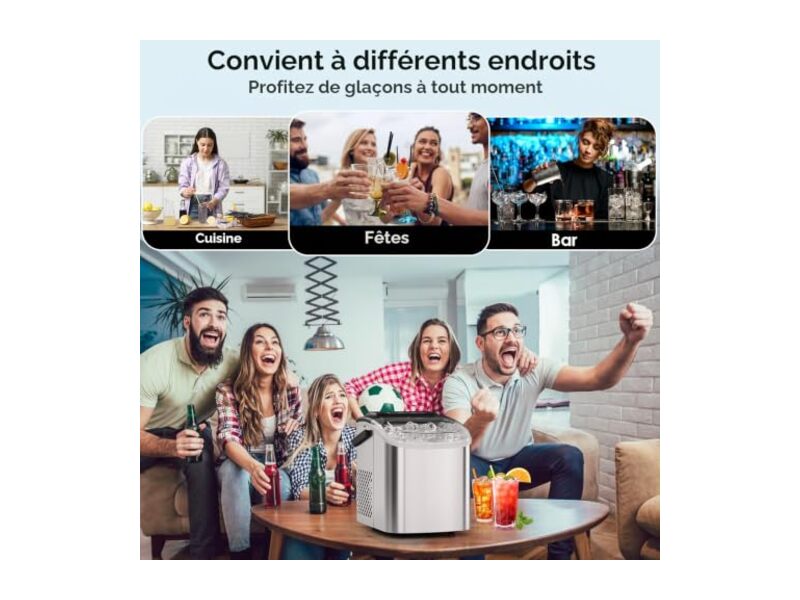
The LIFERUN ice maker banks on portability, with a built-in handle that makes it easy to move the appliance between the kitchen, a patio for a summer aperitif, or even a campsite with an electrical hookup. Its compact format stays discreet on a countertop when it isn't being carried around.
Its output of 9 ice cubes in just 6 minutes, for a total of 12 kg per day, covers the needs of an aperitif with friends or a small gathering without having to plan hours ahead with the classic freezer ice tray. Two ice cube sizes are offered depending on the intended use.
The infrared sensor automatically detects the ice level in the basket to stop production, while the claimed quiet operation suits evening use without excessive noise. The self-cleaning cycle simplifies regular upkeep.
The LIFERUN ice maker enjoys an excellent reception from buyers on this entry-level segment, driven by its portability and value for money for occasional indoor and outdoor use.
Technical data
Detailed characteristics
Performance
| Ice production?Amount of ice produced by the unit over a given period. | 12 kg per 24h |
|---|---|
| Production time?Amount of ice produced by the unit over a given period. | 6 minutes for 9 ice cubes |
| Power?Electrical power of the unit, expressed in watts (W). | 90 W |
| Power supply?Electrical power of the unit, expressed in watts (W). | 220V |
Additional information
| Type?General product category this item belongs to. | Countertop ice maker, portable |
|---|---|
| Configuration | 2 ice cube sizes, infrared sensor, carry handle, self-cleaning |
Comparison
In the countertop ice maker segment, the LIFERUN stands apart from the EUHOMY, a more premium model already featured in our selection. Here is how the two compare, based on both manufacturers' public specifications.
| Criterion | LIFERUN 12kg | EUHOMY 15kg |
|---|---|---|
| Daily output | 12 kg/24h | 15 kg/24h |
| Ice type | Cubes only, 2 sizes | Cubes or crushed ice |
| Carry handle | Yes, built-in | Not specified |
| Price observed | ≈£90 | ≈£200 |
In short, the LIFERUN stays more affordable and is designed for nomadic use thanks to its handle, while the EUHOMY offers higher output and the option of crushed ice, a real plus for fans of elaborate cocktails.
Frequently asked questions: LIFERUN Ice Maker 12kg/24h
Yes, its built-in handle makes it easy to move between the kitchen, a patio, or even a campsite with an electrical hookup, unlike most ice makers without a dedicated handle.
About 6 minutes for a first batch of 9 ice cubes, with continuous production reaching up to 12 kg per day according to the manufacturer.
Yes, two ice cube sizes are available depending on the intended use, a flexibility appreciated for matching the ice to the type of drink being served.
The manufacturer claims quiet operation, suited to evening use or a living space without excessive noise.
More products in the "Ice maker" range
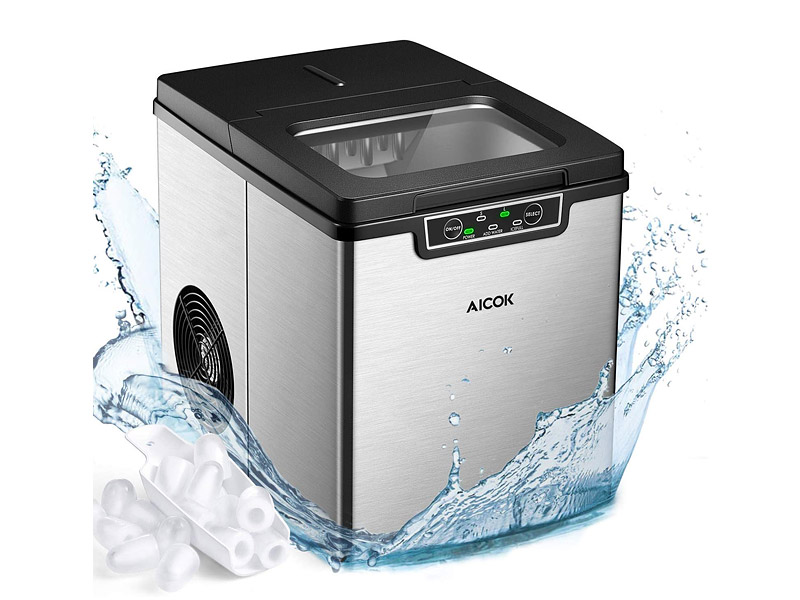
Aicok Machine à glaçons
139.99€ (10)
Compact and offering several ice cube sizes, this Aicok machine fits easily on a countertop or a home bar setup.
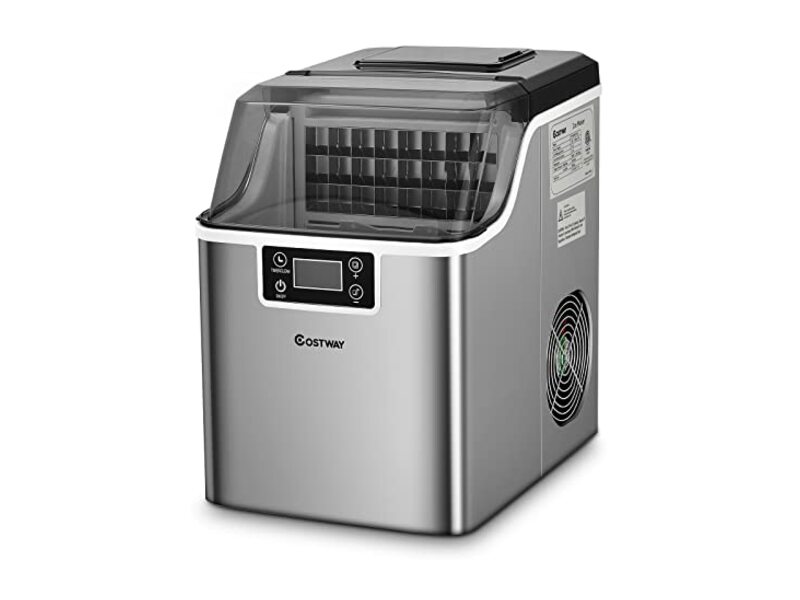
COSTWAY Ice Maker 18kg
182.99£ (6)
18 kg of ice a day: the COSTWAY machine stands out with dual water feed, manual tank or automatic bottle, for extended unattended use.
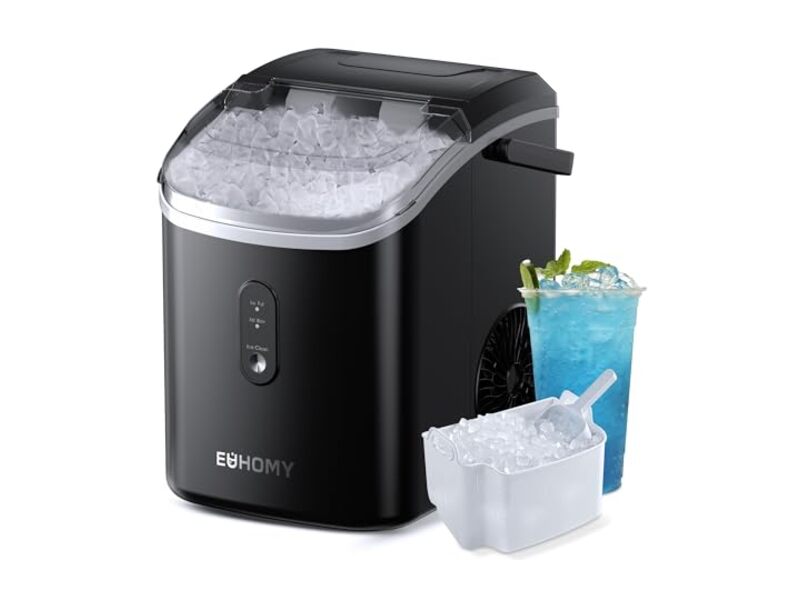
EUHOMY Ice Maker 15kg
199.99£ (22)
The EUHOMY ice maker produces up to 15 kg of ice a day, as classic cubes or crushed ice, ready in just 6 minutes.
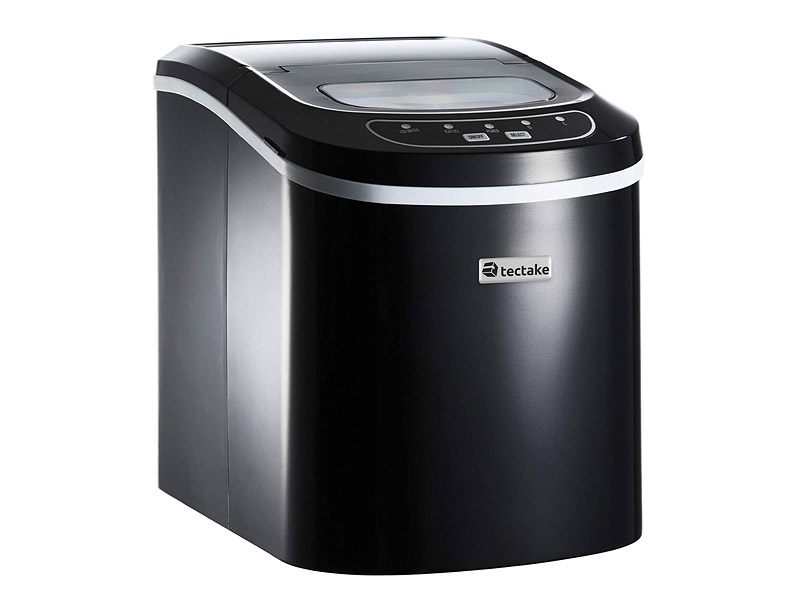
Tectake Machine à glaçons
Check price (18)
No more waiting on the freezer's ice tray: the Tectake Arctic produces up to 12 kg of ice a day, with the first cubes ready in just minutes.
Page published on 2 August 2026